What values has this movement given rise to besides technical
support?
It was 2011 when I got my first smartphone. A Samsung Galaxy S:
the first model of a successful series of smartphones, still among
the most popular today. I remember the fascination that a
14-year-old guy who was passionate about technology could have in
front of that object. It felt like a miniature computer with
unlimited potential. In less than a year I was hooked on the
Android world, trying to figure out how to make the most of such a
tool. After some months since I bought the phone, Google released
a new version of Android: 4.0 Ice Cream Sandwich. Needless to say,
I couldn't wait to get the update from the company so I could try
all the new features and graphical innovations. I soon discovered
that my phone was a variant of the more famous flagship model,
called Samsung Galaxy S SCL. This device differed by a few
components from its main model, such as type of screen, GPU, and
memory. However, this was enough to make it not compatible with
the updates that the flagship model received. Digging into Android
tech-enthusiast forums I discovered that some independent
developers created unofficial updates of Android for my phone:
that was my first contact with modding communities. From that time
I started to mod my device by downloading and installing (or
flashing
to use a tech slang term) unofficial firmwares, skins and mods,
together with a friend of mine with the same phone model as me.
The period between 2010 and 2018 was really prolific for
developers and users: the influence this community has on the
smartphone market it’s tangible.
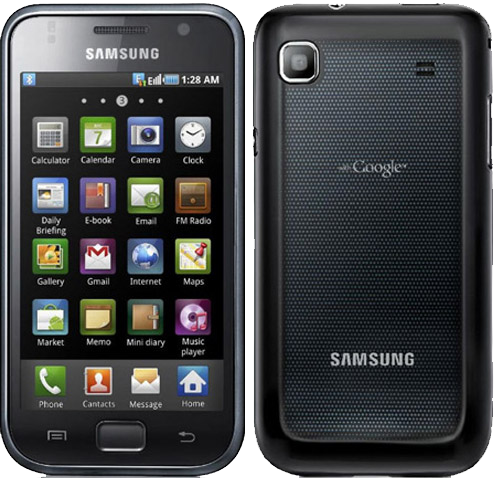
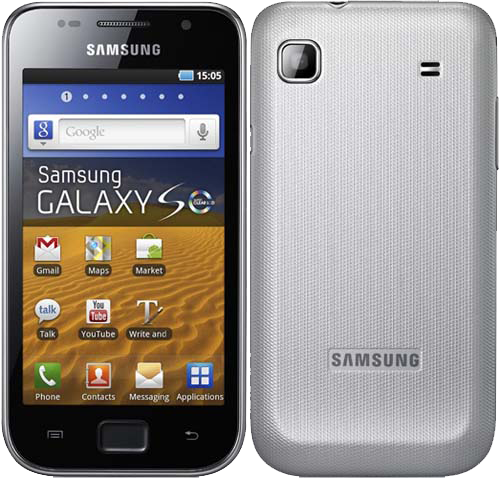
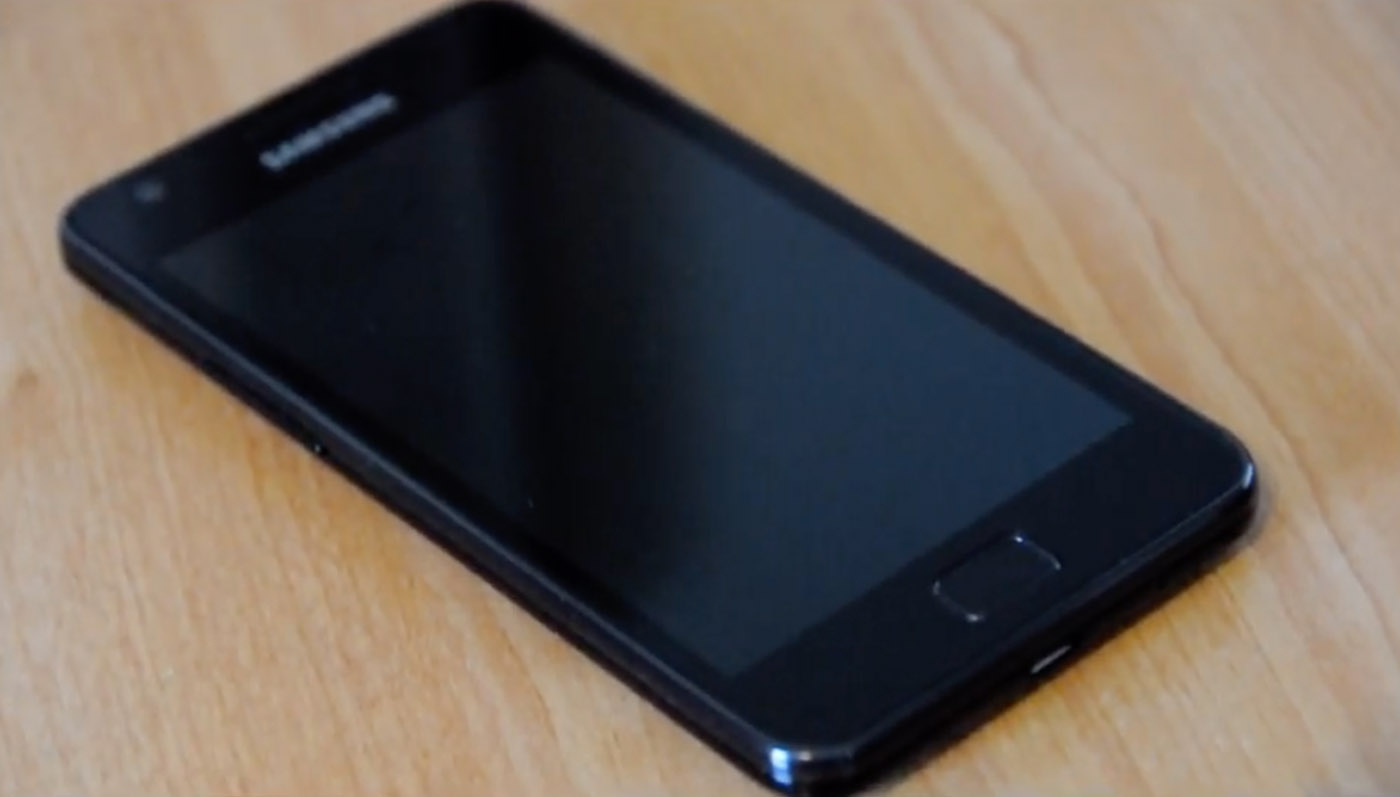
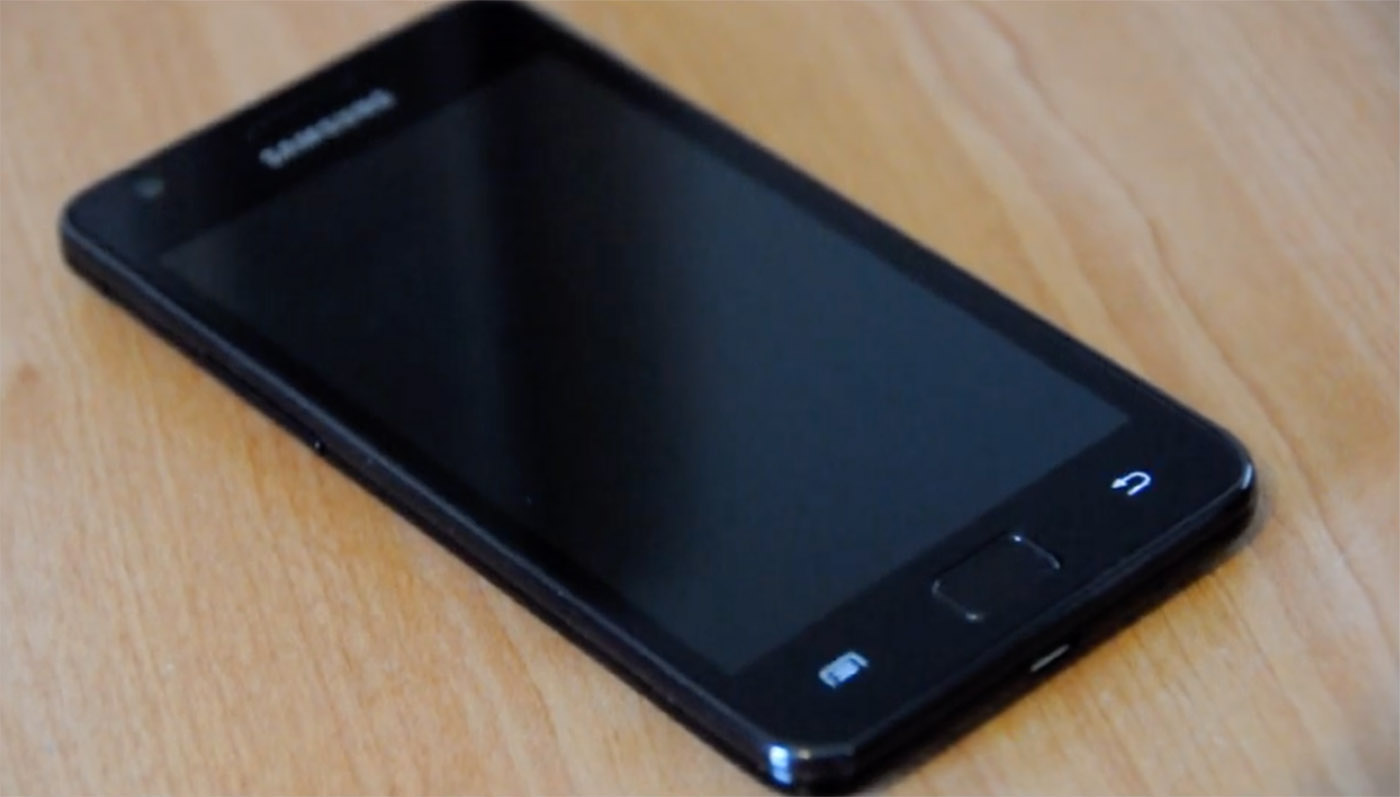
The Samsung Galaxy S (i9000), released in June 2010
(left/top). The Samsung Galaxy S SCL (i9003), my model,
released in February 2011 (right/bottom).
Parallel to that path, as an enthusiast, I felt the need to
communicate the existence of this underworld, mostly the
prerogative of Android nerds. I wanted to enter this community as
an active member. So, after some experiments made the year before,
in July 2013 my friend Davide and I opened a YouTube channel
dedicated to Android modding. The goal was to raise awareness of
the culture of modding in Italy, where at the time it was still
not widespread. From 2012 to 2016 we made informative videos about
the smartphone market, next to reviews and tutorials about
modding. We got in touch with different developers, met and
supported small independent projects that were trying to come up
with an open and user-oriented idea of technology. One aspect that
I became aware of only later is the political power of this
community: modding is not just about solving technical issues but
is a collective effort to elaborate an idea of technology that
they intend to apply to society. Users and enthusiasts come
together spontaneously to react to market trends that they see as
not in line with their own thinking. The subversion of production
systems into collective bottom-up logic makes modding a practice
of activism. This opens up discussions about the role of the user
within the phone market. If we frame these debates as a public
discussion, what are the user's rights?
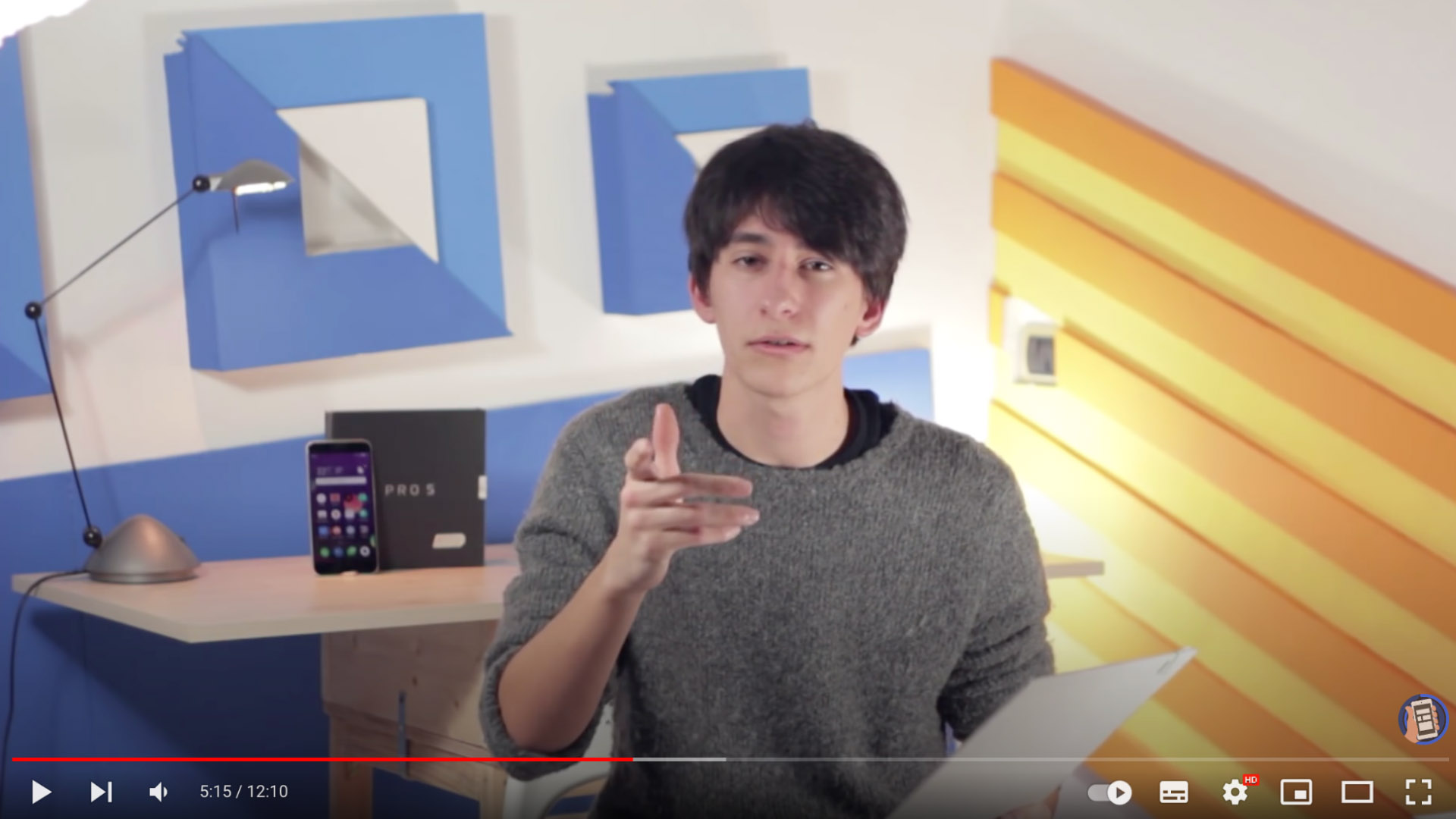
Some videos from my YouTube channel between 2014 and 2016.
This paper stems from the need to frame Android modding within a
broader movement of hacking practices and technological activism.
Since there are not any books or bibliographic resources
specifically about Android modding the information I retrieved is
taken mainly from forum threads, YouTube videos and articles in
tech magazines. The reconstruction of the birth and development of
this community is mediated by what has been my approach and
experience as a user and disseminator. I, therefore, invite people
to see this text as an attempt at a partial reconstruction of a
complex movement that includes tens of thousands of developers and
as many threads on forums and videos.
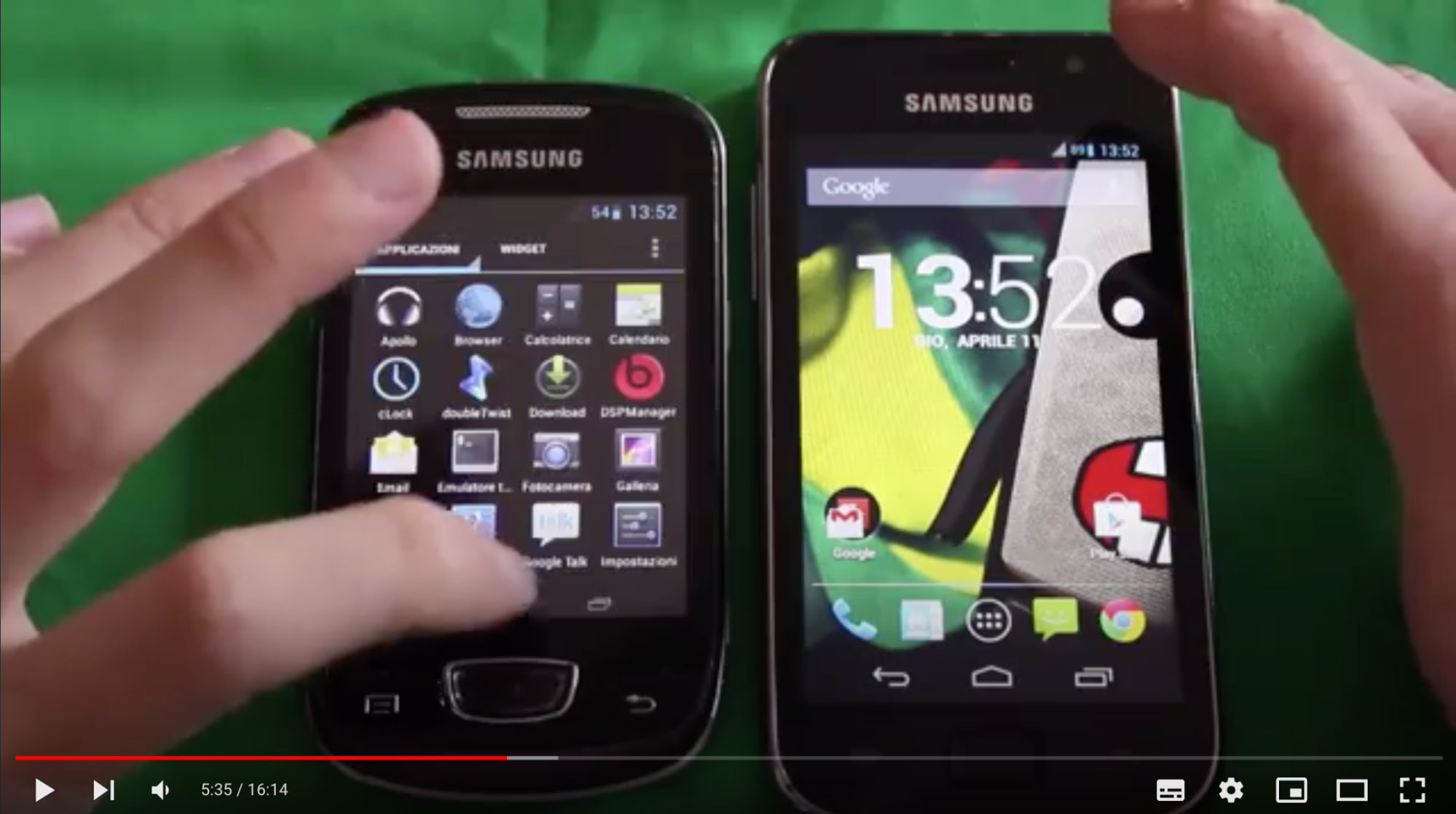
My first video about Android custom ROMs: a comparison between
CyanogenMod running on two devices. Uploaded on April 11th 2013.
The playground
1
How has Android modding affected the smartphone market?
1.1/Computational luxury
According to the Cambridge dictionary, luxury is “something
expensive that is pleasant to have but is not necessary”.
1
Luxury is a driving force because for many people it represents
one of the keys to positioning themselves in a higher social
class. In many areas, luxury manifests itself as experiential
luxury, related to the design of goods. In technology, luxury can
be seen as an overabundance of computing power and is conveyed
through data and lists of specs. In this chapter, I intend to
explore the concept of computational luxury understood as a
feature that marked the early development of the smartphone
market. In the decade 2007-2017, we witnessed a technological
boost that conditioned the social, environmental and technological
impact of this sector. The phone market was driven by a surplus of
computing power that monopolized it. Communication has also been
shaped around selling data, numbers, and the technical features of
devices, fueling consumerist logic. But in order to grasp this
logic, we must understand the cultural shift in the software and
hardware we operate - from advanced office stationery in the 90s
to a personal accessory of the second half of the 2000s. In the
late 1990s and early 2000s, mobile devices were seen as business
tools, which aimed to digitize some office functions (agenda,
mail, calendar). PDAs (personal digital assistants) were an
attempt to miniaturize computers, becoming the first mobile
products to include personal information managing tools. The
concept of these products is similar to the early computer user
interfaces, which took full force from the imagery of the office
to create a digital simile. The metaphor of the desk with files,
folders, and recycle bin is carried over into the mobile world. It
takes a business-oriented direction, becoming a status symbol
among American managers.
1 LUXURY |
definition in the Cambridge English dictionary. (2023).[link]
Blackberry 7520 (2004) used by a businessman.
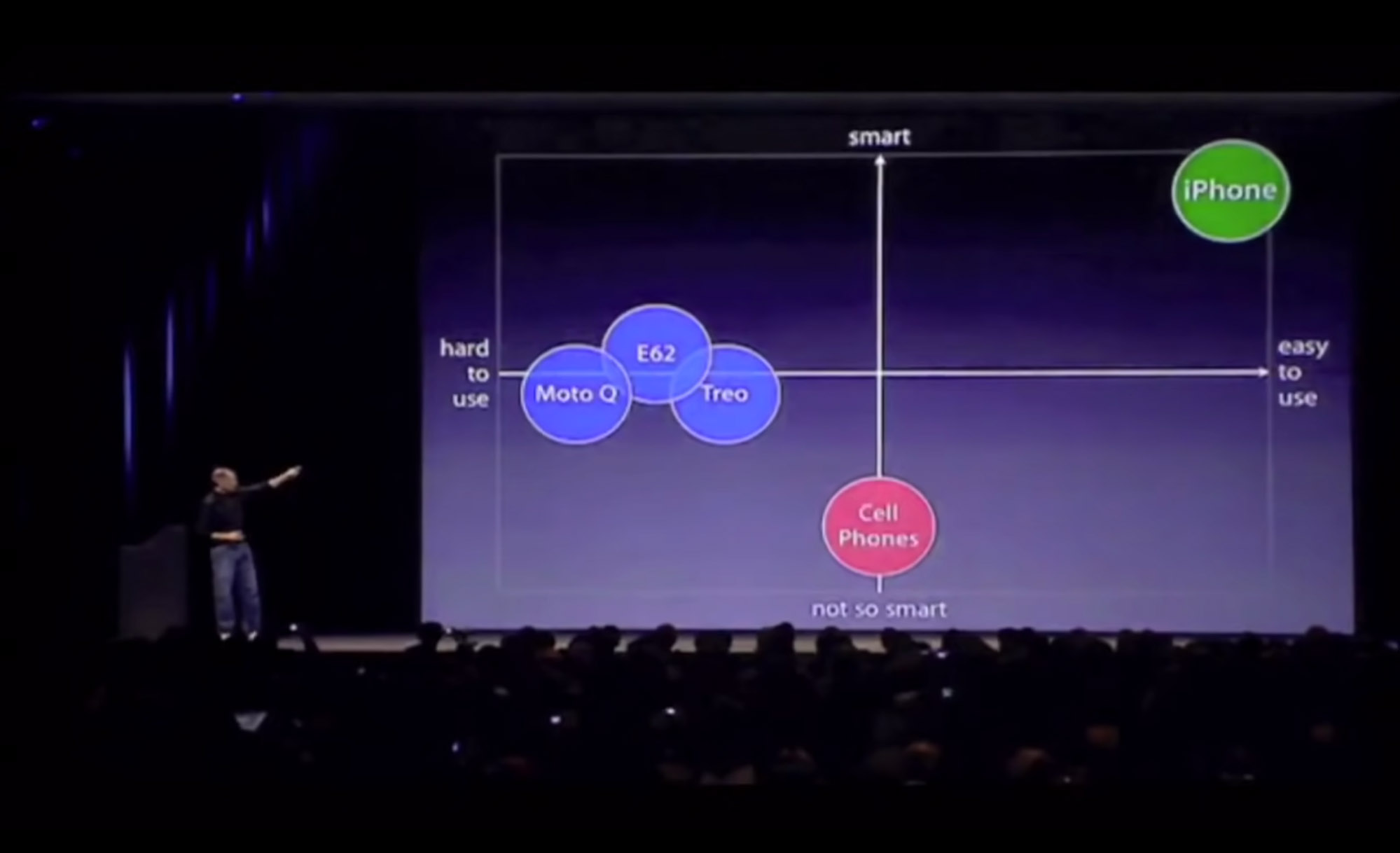
On January 9, 2007, the first step of a big revolution happened:
Steve Jobs presented the first iPhone at the MacWorld conference
in San Francisco. With this announcement Apple changed the
paradigm of these devices forever. Already previously with
products such as Nokia 9210 Communicator (2001) or the world of
Pocket PCs there was an attempt to expand this market in this
direction. However, it’s only after Apple's conference that
smartphones are consolidated in our daily lives. These objects
from substitutes for physical office objects (calculator,
notebook, landline phone) have become our photo and music archives
as well as leisure and entertainment devices. The way smartphones
are sold also changed: we moved from a business-oriented type of
communication to a more intimate and mundane one. Ties and desks
disappeared from ads and we started to see parents, children,
living rooms, kitchens and everyday situations. But how to stand
out in this new technological environment where products become
more than just the sum of their operations and where the immediate
utility of technology is obscured?
Steve Jobs Introducing The iPhone At MacWorld (2007).
Samsung Galaxy S3 commercial (2012).
In the second decade of the 2000s, smartphone manufacturers spent
their energies on miniaturizing smartphone components with the
goal enhancing the performance. From then on, the computational
luxury sets in. Each year the challenge is to be able to produce a
device that outperforms both the competitors and their
predecessors from the previous year. The advertising language is
enriched with technical terminologies such as PPI, NIT for
displays; mAh and Watt for battery life and charging speed;
MegaPixel for cameras and GHz for processors. This approach has
bent the market to the continuous search for data that can be sold
to the public, incentivizing the consumerist aspect. This trend
leads to an obsession with the practice of benchmarking. The goal
is to stress test the device in order to retrieve a score that can
be used to compare different phones. While reviews and hands-on
videos spread across the web, versus.com becomes more and more
popular. This website allows you to compare the technical
specifications of different smartphones. Platforms like these
contribute to shaping the debate in a purely technical realm. We
can imagine that this tech direction is also a consequence of
homogenization in terms of design
2 : if the device cannot stand out aesthetically, it must do so
through its technical capabilities. Since the variety of shapes,
screen types, and colors has become obsolete, branding strategies
had to adapt.
2 The term
design here is understood more in a consumer sense, related to
the aesthetics of products.
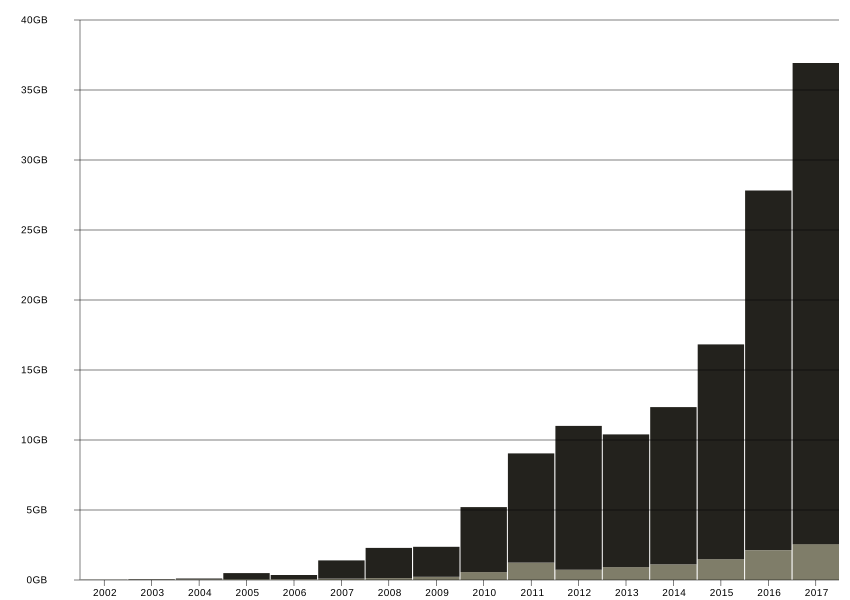
Smartphone’s average ram and rom in 15 years (Rom
▉ Ram
▉) based
on
this
dataset.
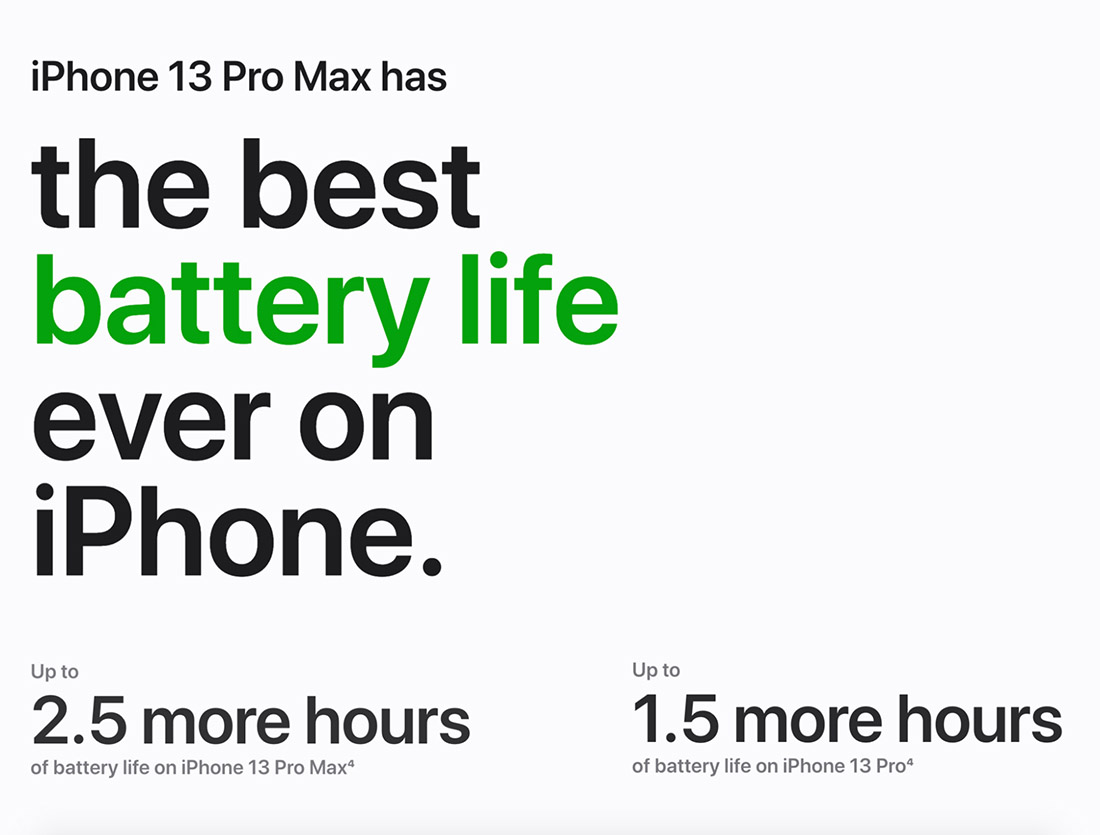
Iphone Pro Max 13 ads (2021).
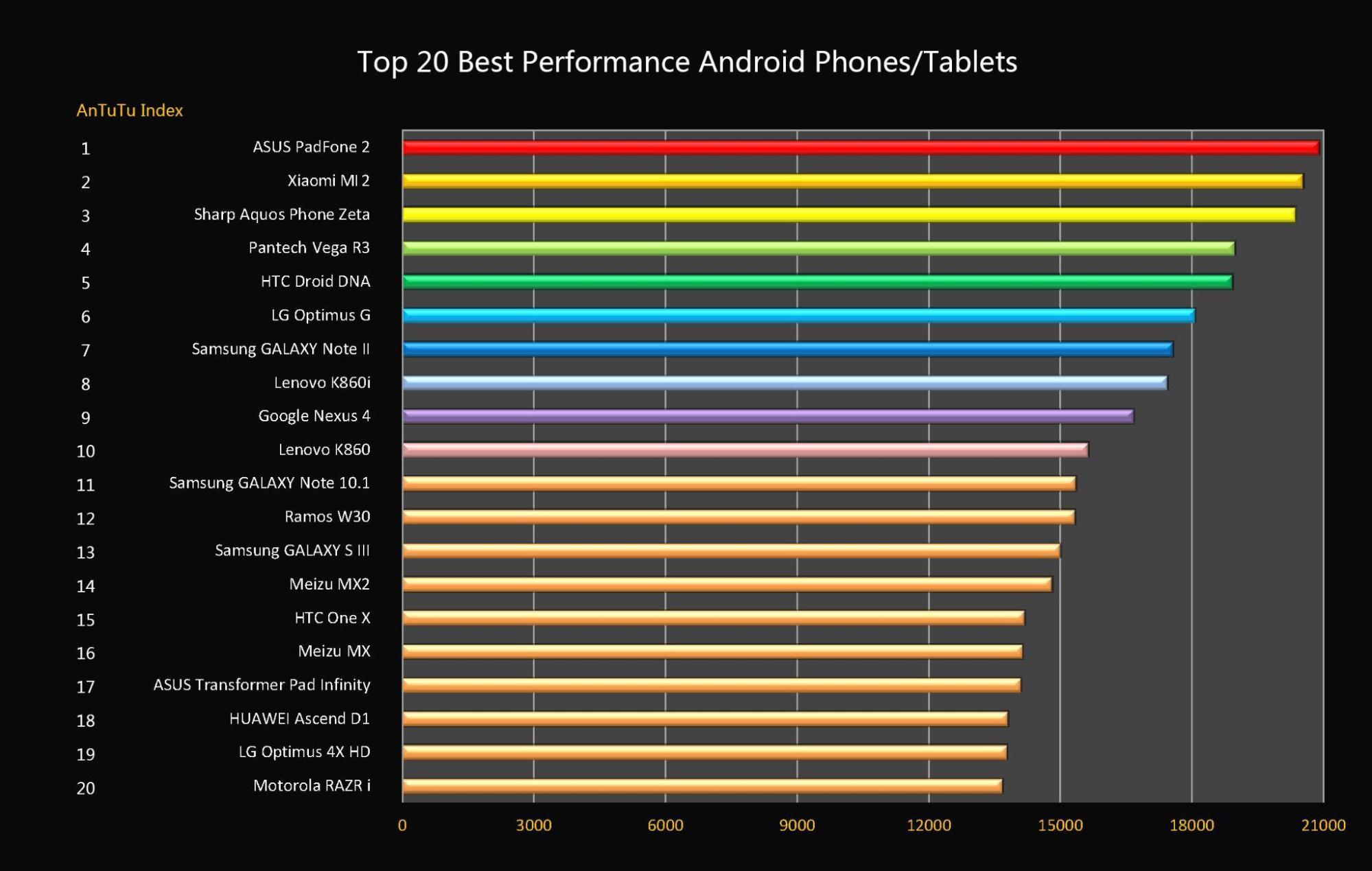
Top 20 Best Performance Android Phones /Tablets, according to
AnTuTu Benchmark (2012).
In this period, manufacturers decided to release more and more
phones into the market than the usual annual unveilings: hence, an
overabundance of devices was created. Consumers had to face this
clutter, being seduced to consider the computational aspect as
crucial, no longer finding answers in product design. Also
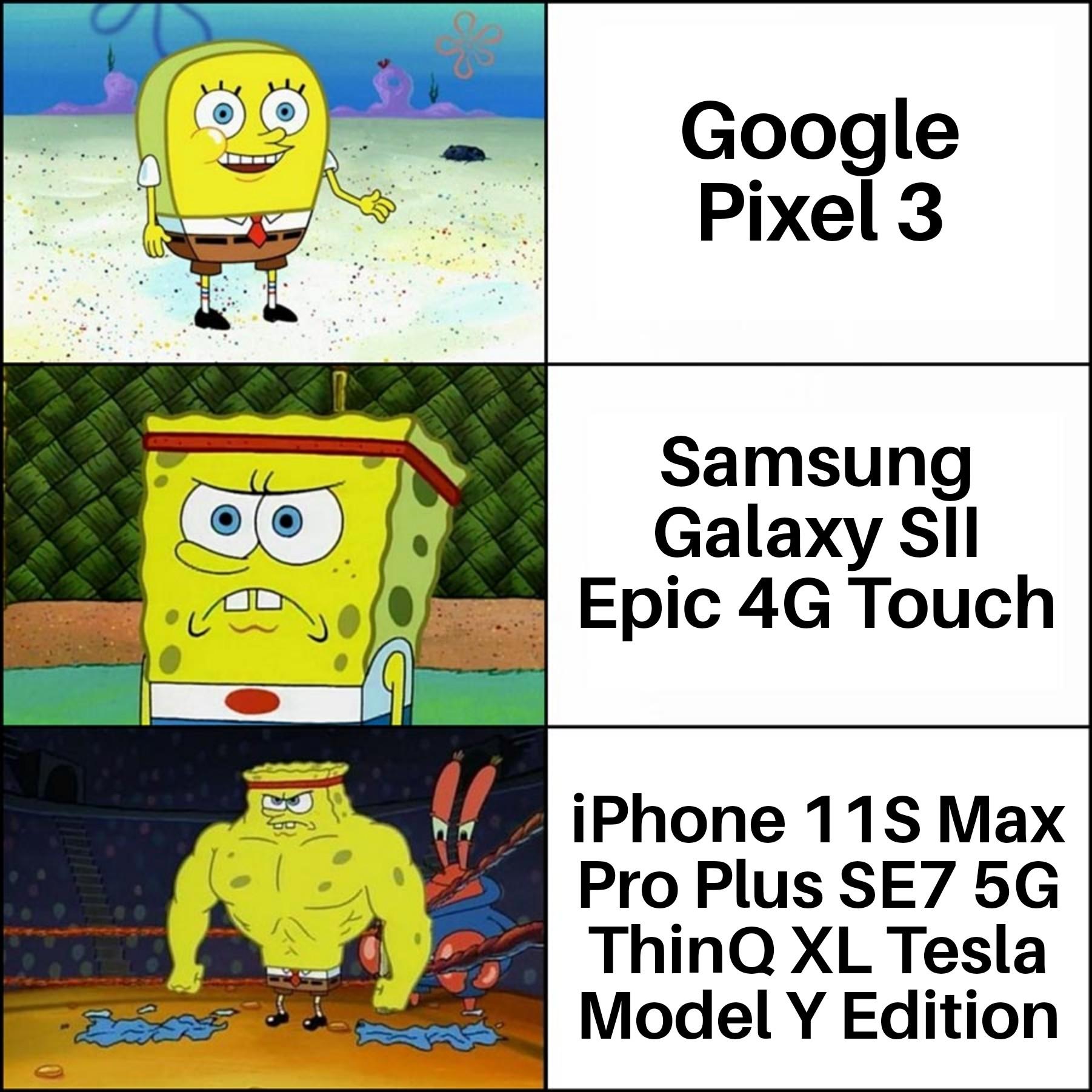
nomenclatures became more complex: we can notice the widespread
use of terms like mini, plus, pro and ultra, which confuse the
consumer. These categories, based on supposedly objective
technical capabilities rather than aesthetic qualities, created a
clear hierarchy. Slide-out keyboards, rotating cameras, and satin
finishes are no longer criteria for producing and categorizing
phones. The new policy of manufacturers is to produce the flagship
model with the highest performance possible and saturate the
market in the mid-range by distributing mini, ultra or max
variants.
After the dramatic spike in phone production
since 2011, companies have stopped optimizing and updating
software for the entire product range, focusing only on their
flagship models. This leads to the abandonment of parallel devices
of the main models and all those low-mid range phones. The life of
the products was drastically reduced - if you could not afford a
flagship phone the device could be considered obsolete at the
moment of purchase. This new attitude causes an increase in
planned obsolescence, creating artificial demand generation. To
prevent abandonware, that is software that ceases to be supported
by manufacturers, the community of consumers and enthusiasts
started taking action themselves. According to the International
Data Corporation Android smartphones held 59% of the market in the
first quarter of 2012.
3
The wide diffusion and the open source nature of Google’s OS
facilitate hacking practices and flourishing of communities that
start to develop independent software. It’s in this context of
smartphones with short life cycles, old or at best poorly
optimized software that the story of modding begins. This movement
is a practical response by developers and users to the rush for
high-end hardware imposed by manufacturers.
3 Fingas,
J. (2012). IDC:
Android has a heady 59 percent of world smartphone share,
iPhone still on the way up.
[link]
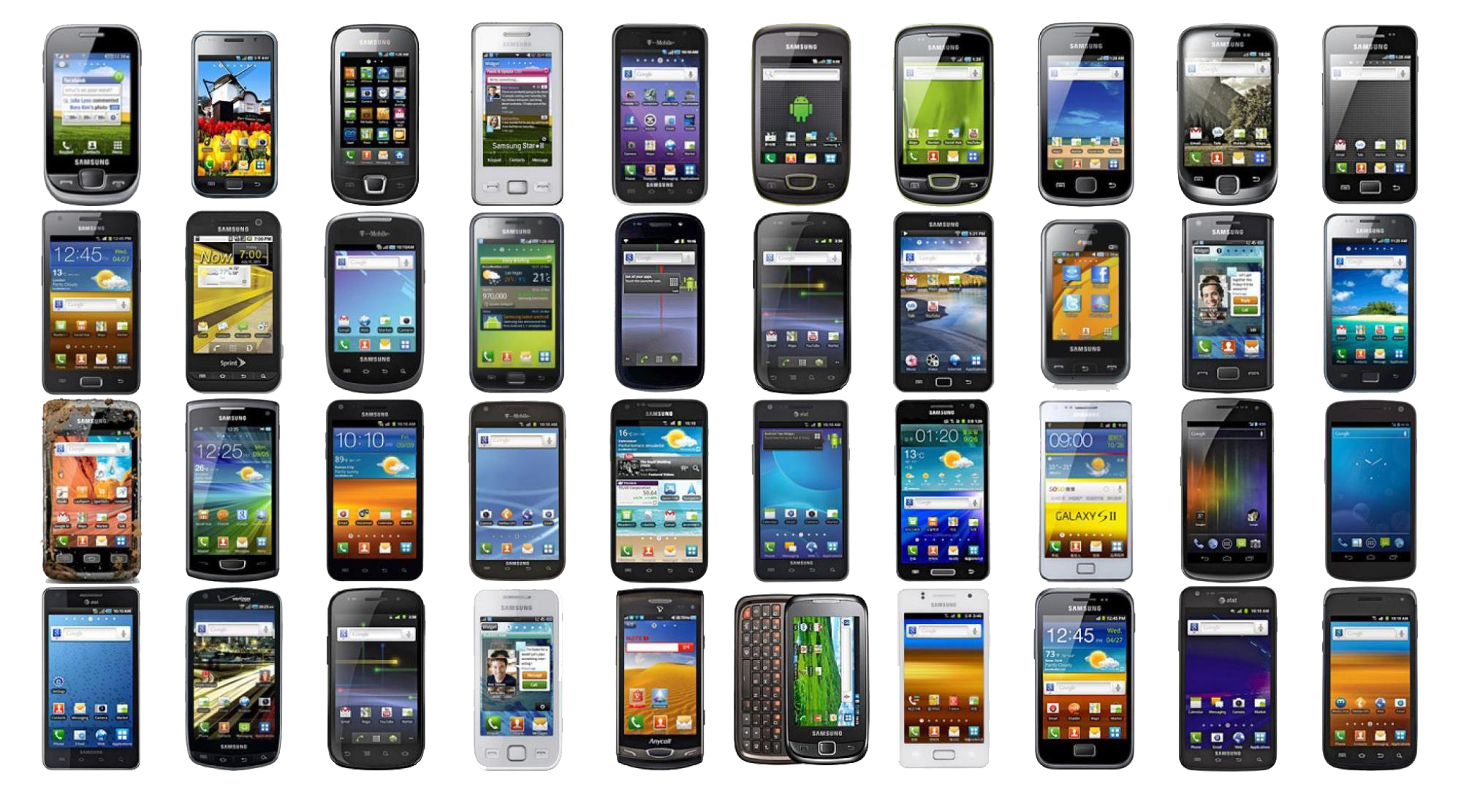
Some of the smartphones released by Samsung during 2010.
1.2/Closed systems / open systems
An ecosystem, in biology, describes all the organisms, the
physical environment in which they live, and defines all of the
complex interactions and mutual dependencies. The balance that is
created allows the system to function. For software, the concept
is much the same
4
: services, delivered in the form of applications, interact and
respond to each other within an environment that provides this
connection. Within our smartphones we have different services that
communicate among themselves, optimizing mutually. The
interconnection is the value that keeps us within a system. We
choose our preferred ecosystems precisely based on their ability
to cover not only every area of work but also leisure. We can
argue that now almost all the systems on our phones are
ecosystems, and that is true, but on which features do these
systems change? One aspect we can consider is the openness of the
system. By openness we can consider how much the environment is
user-customizable or how prone it is to receive influences from
third-party components. Openness for a technological ecosystem
also means how much developers can get their hands on it and have
access to the mechanics of operation. In the case of Android,
after certainly being considered one of the systems where the user
has the most room for action, it also has an open source core:
this means that much of its code is made available by the parent
company. But as the tech journalist JR Raphael
5
states, the open nature of Android does not only apply to the
user, who is free to customize his or her device as he or she
wishes, but it also applies to manufacturers and phone companies,
which sometimes block the freedom of the system in advance.
4 “Open”
vs. “Closed” Software Ecosystems: A Primer.
[link]
5 Raphael,
JR. (2010).
Android IS open -- but 'open' means different things.
[link]
The Android ecosystem is really fragmented and it differs from
brand to brand, from device to device. Unlike other systems that
run on a few phones, Android is spread across a large scale of
devices, and an optimization process is needed. Taking in account
the most common distribution and use of Android, the system as a
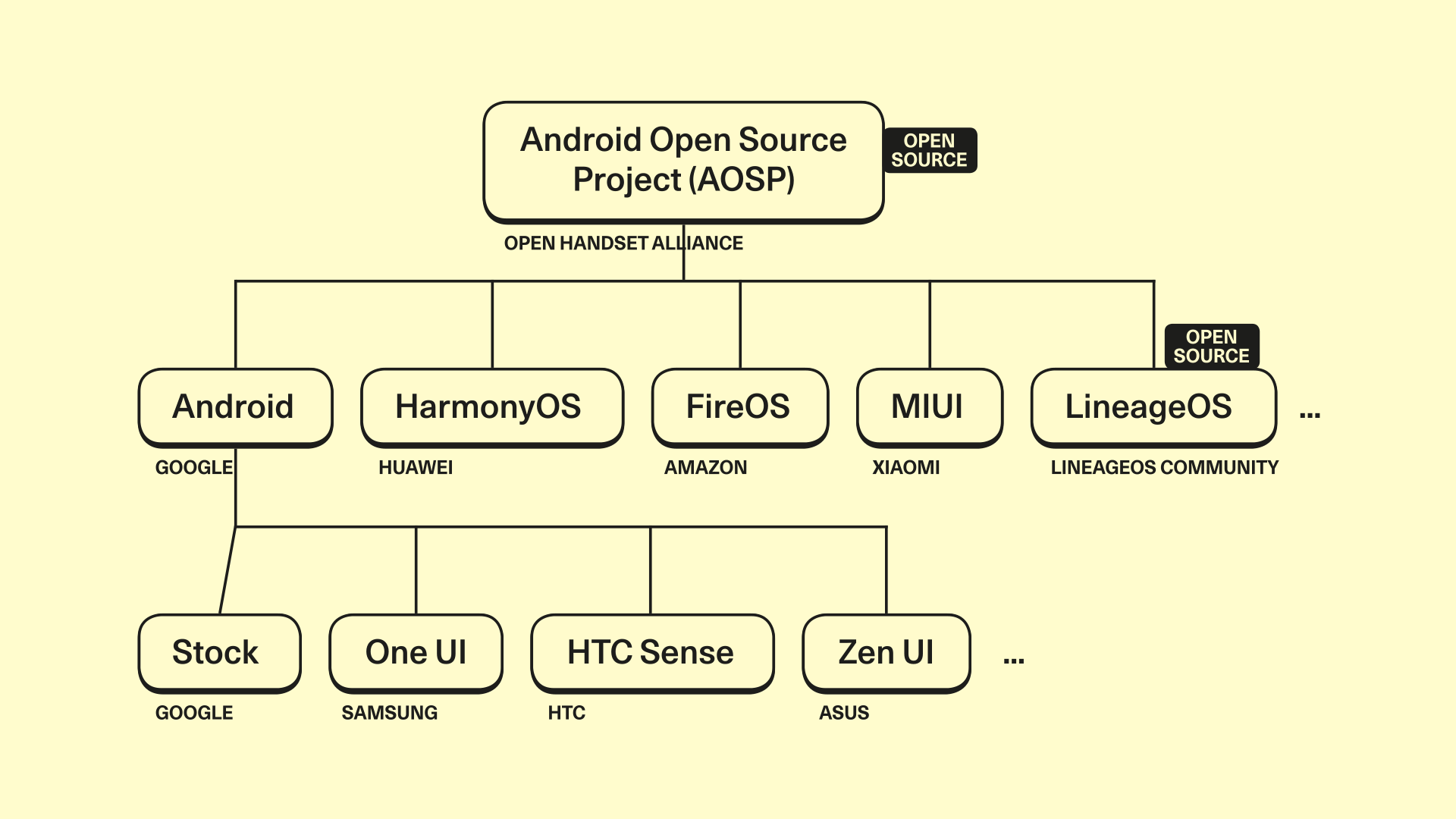
user perspective can be divided in three layers:
– The Android Open Source Project (AOSP); – The Google
Mobile Services (GMS); – The custom interfaces by the
manufacturers.
Diagram representing the Android Open Source Project platform
(Tutusitte).
[source]
The Android operating system is based mainly on a modified version
of the Linux Kernel. The core of the system is AOSP (Android Open
Source Project), a free and open source software released under
the Apache License. The source code is maintained by Google, which
updates and releases the code every time a new version of Android
is released. Even if the core code of the OS is public, the AOSP
code doesn’t contain the device’s drivers; it’s up to the
manufacturers to make them available or not. Over the past decade,
Google has made several decisions that have made Android a system
increasingly dependent on Google services. Without the Google app
store for example, you won’t have access to all the apps on the
market. There are devices, such as educational tablets for kids or
car tablets, which don’t need to be dependent on Google services.
They are just using the AOSP code to run a basic version of
Android. If this can be valid for specific products, for most of
the smartphones having access to Google Mobile Services is
fundamental to be part of the Android market. The GMS (Google
Mobile Services) is composed of a set of apps (like Gmail, Maps,
Play Store…) and APIs (application programming interfaces) that
allows the user to have access to all the Google ecosystem on your
device. This package is usually already installed on most of the
devices: a report shows how over 70% of smartphones come in the
market out of the box with the GMS package.
6
In order to pre-install the Google services to their devices,
manufacturers need to buy a license from Google, which is free
around the world, except for the EU.
7
A big problem of Android is the software fragmentation: since the
system has to run on such a wide range of hardware, delays on
updates and security patches are common. Google tried to fix the
problem by updating some of the system apps through the Play
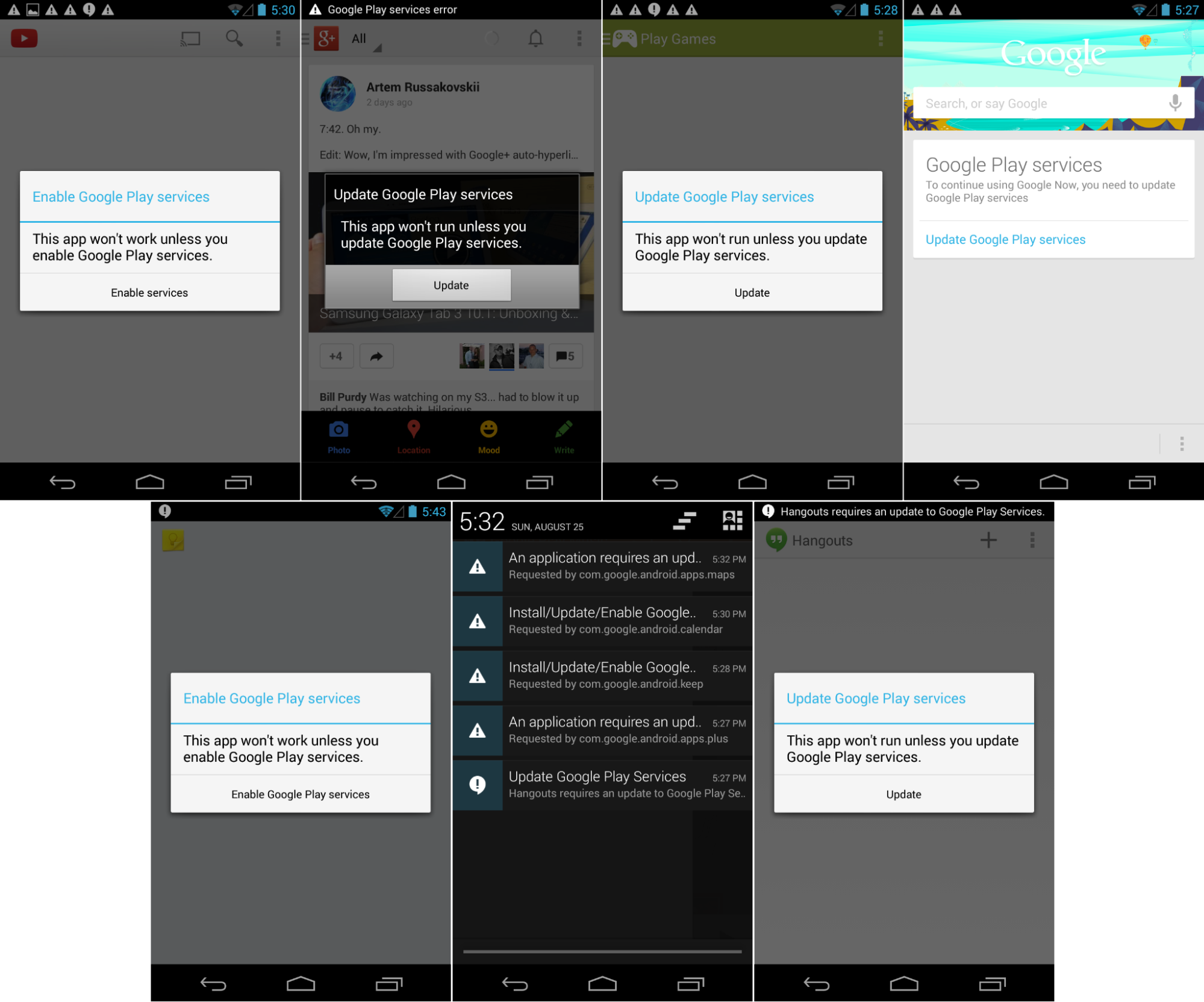
Store, independently from regular OS updates. In 2012 they
announced the Play Services, which is a proprietary software
package that runs in the background, maintaining updated Google
libraries and services on your phone. These libraries include
sign-on, location and security protocols, as cloud infrastructures
for gaming, printing and payment. Play Services was advertised as
a way for developers to combat fragmentation by helping them
distribute the code once to every device. Ron Amadeo, a reviewer
and tech writer specializes in Android OS and Google products,
wrote on Ars Technica (2013)
8 :
Calling Play Services an "app" doesn't really tell the whole
story. For starters, it has an insane amount of permissions.
It's basically a system-level process, and if the above list
isn't enough for whatever it needs to do next, it can actually
give itself more permissions without the user's consent. Play
Services constantly runs in the background of every Android
phone, and nearly every Google app relies on it to function.
It's updatable, but it doesn't update through the Play Store
like every other app. It has its own silent, automatic update
mechanism that the user has no control over. In fact, most of
the time the user never even knows an update has happened. The
reason for the complete and absolute power this app has is
simple: Google Play Services is Google's new platform.
In this way, Google is privatizing several system mechanics,
making them closed-source. What is left to the Android core if we
remove most of the functionalities? Can we continue calling it an
open system? This change caused a lot of issues for modders who
developed custom ROMs without including Google services: a lot of
apps that used Play Services (so not only the Google’s ones) could
no longer run on just AOSP based Android distributions.
6 Hughes,
T. (2014).
Google and Android Are Not the Same... and That’s a Good
Thing. App Developer Magazine.
[link]
7
Kastrenakes, J., Patel, N. (2018).
Google will start charging Android device makers a fee for
using its apps in Europe.
[link]
8 Amadeo,
R. (2013).
Balky carriers and slow OEMs step aside: Google is defragging
Android .
[link]
What happens when you try living without Google Play Services
(From Ron Amadeo’s article).
In 2012 FairSearch, a lobbying group of organizations that include
Microsoft, Oracle and Nokia, sent a complaint to the European
Commission to expose the monopoly of Google. They state that
Google forces manufacturers to use its services, orienting Android
to a more proprietary system. This is not only regarding the
influence on Android but also the privileged position as a search
engine. Between 2018 and 2019 Google has been accused of abuse of
Android dominance by the Competition Commission of India and the
EU antitrust, leading them to reformulate the services license
agreement by separating it from the Android OS license. When
Google understood the big role which the OS could play in the
smartphone industry, they reverted these changes and closed the
Android ecosystem. Richard Stallman, free software movement
activist, has been very critical of this approach, arguing that
this closed-source drift of Android may totally subvert the
operating system from its initial purposes.
9
The company states that these decisions are made also for security
reasons but many independent developers, connected to the open
source communities, claimed that in an environment where code is
open to access, it’s easier to fix system flaws. The Mountain View
company is forcing OEMs and developers to buy its license to have
a complete experience of the OS, slowly turning Android into a
freemium
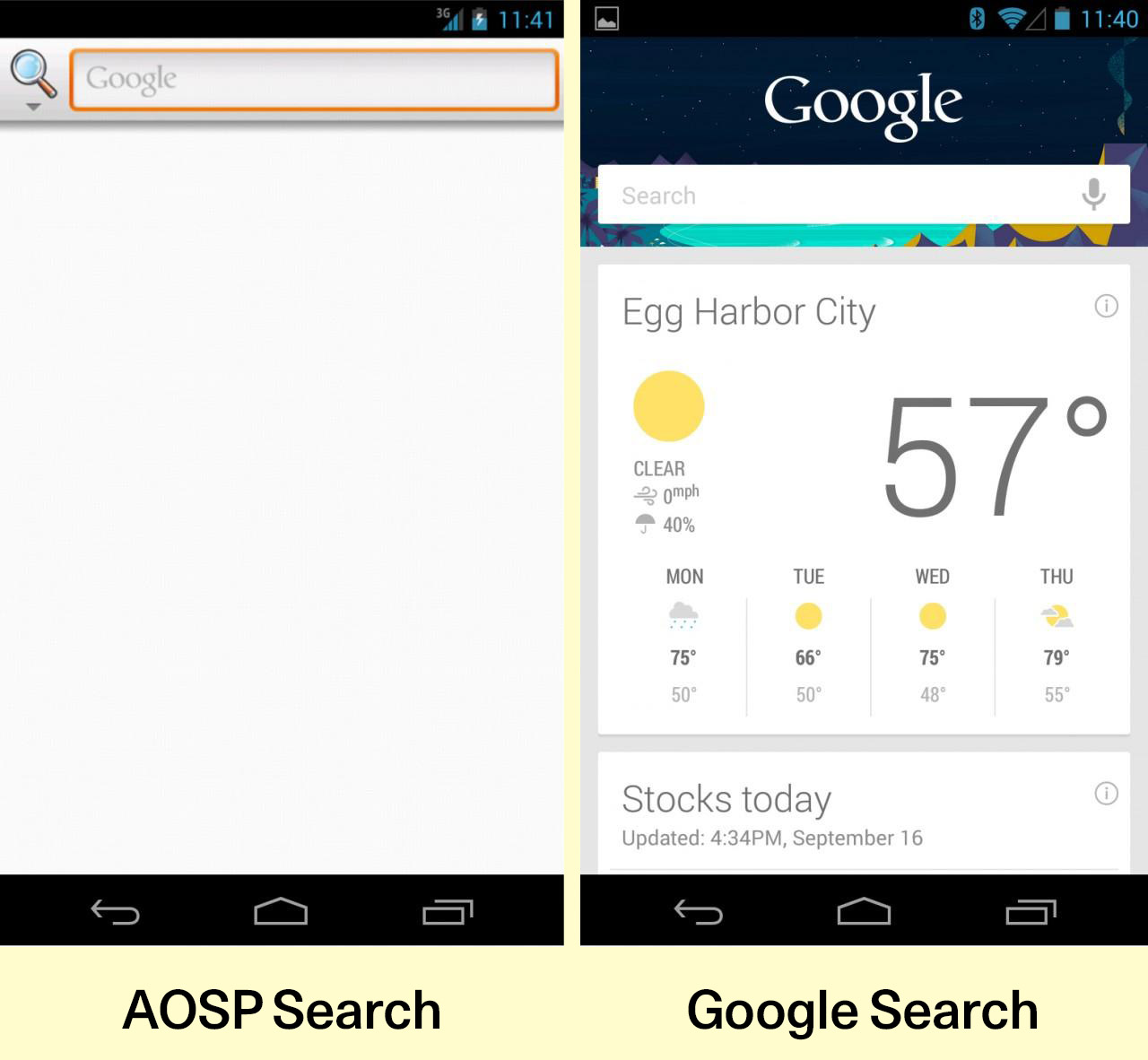
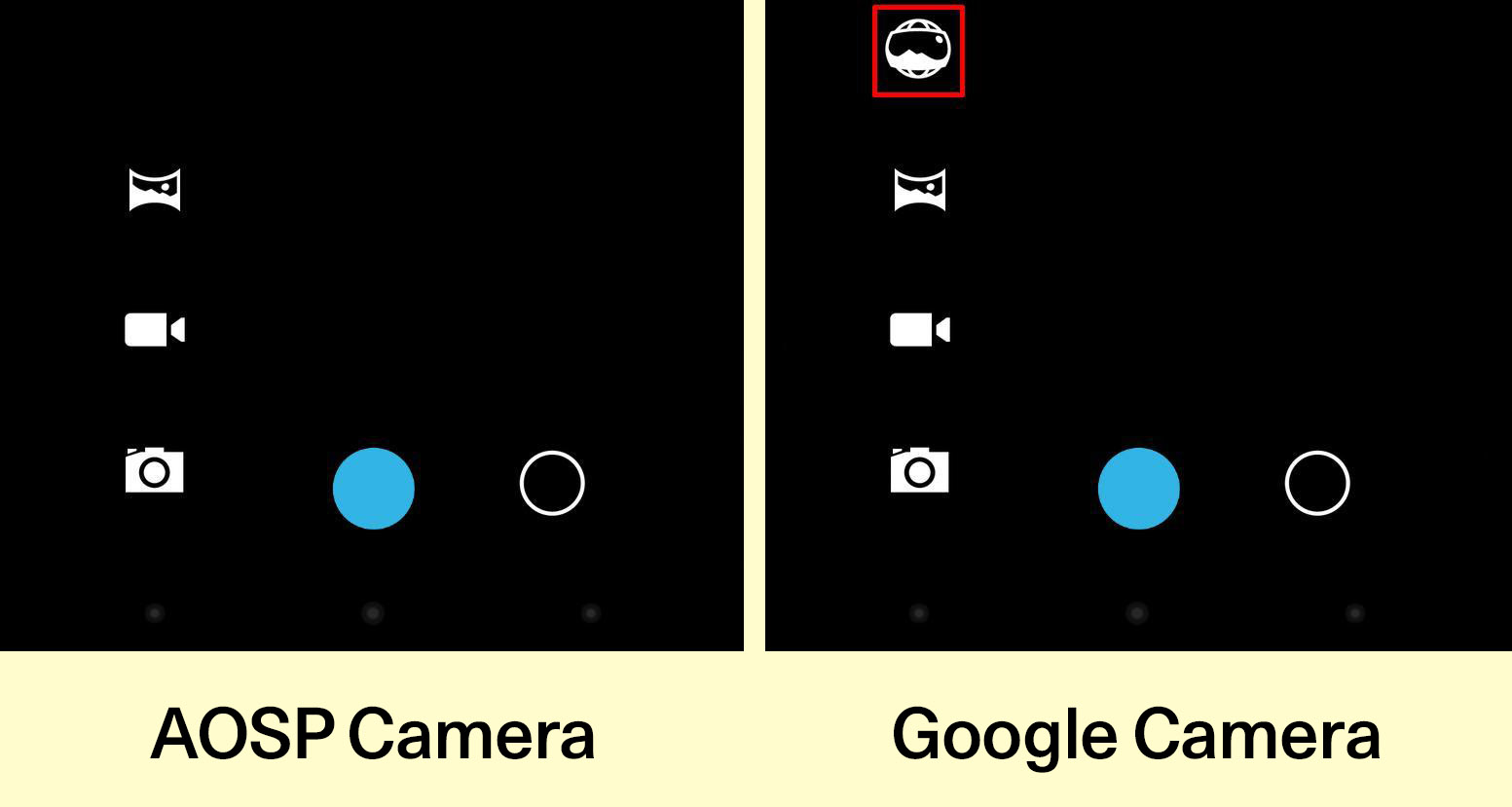
service. Also, some native applications that at the beginning were
part of the AOSP, gradually have been substituted into proprietary
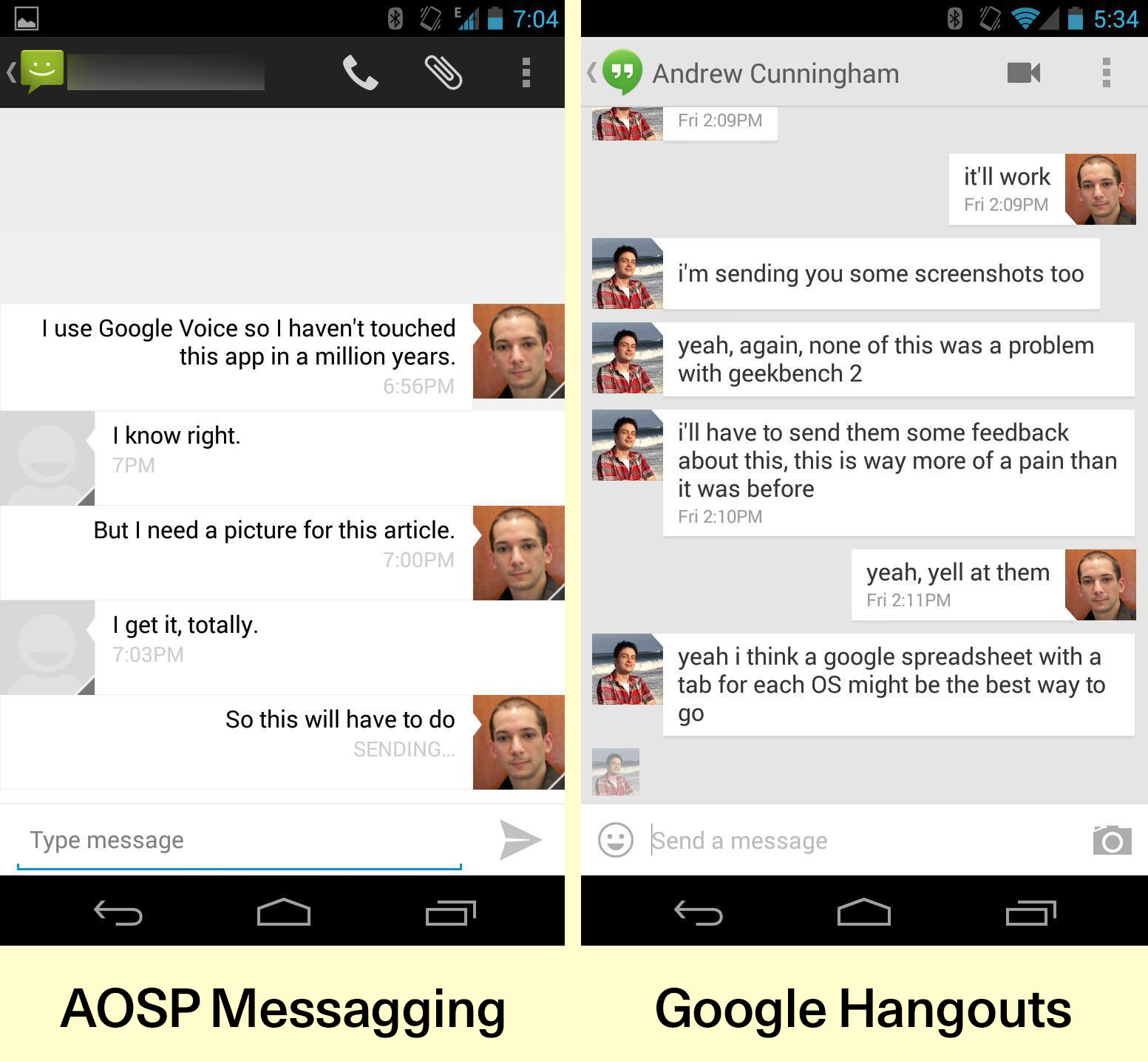
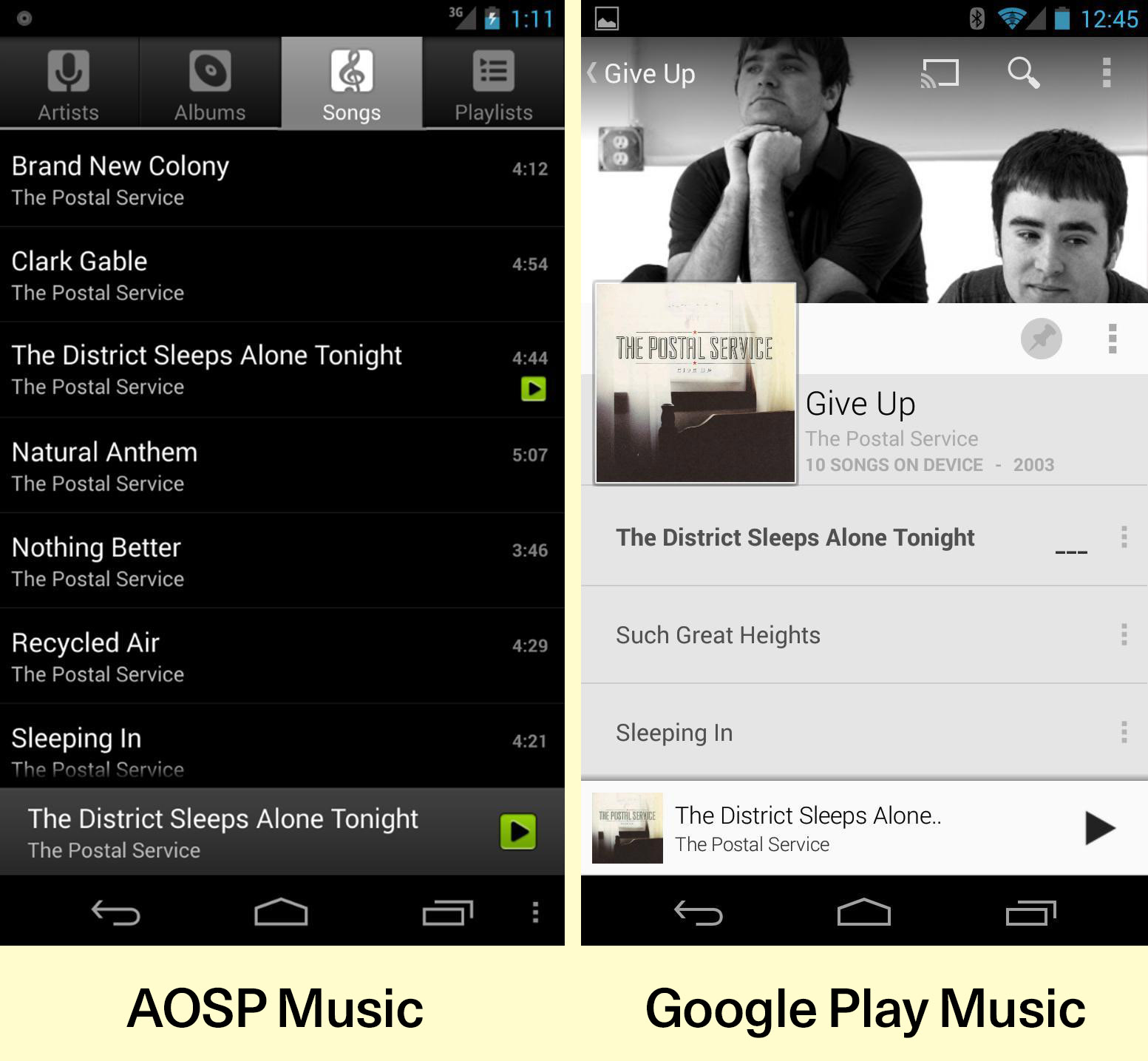
apps. Search, music, messaging, camera, calendar and other
services have migrated to the Google-branded version. They changed
their concept of Android: the goal it’s not anymore to build an
open-source mobile operating system but just provide a structure
to add Google services.
9
Stallman, R. (2011). Is Android really free software?[link]
Comparison between AOSP native apps and Google ones.
[source]
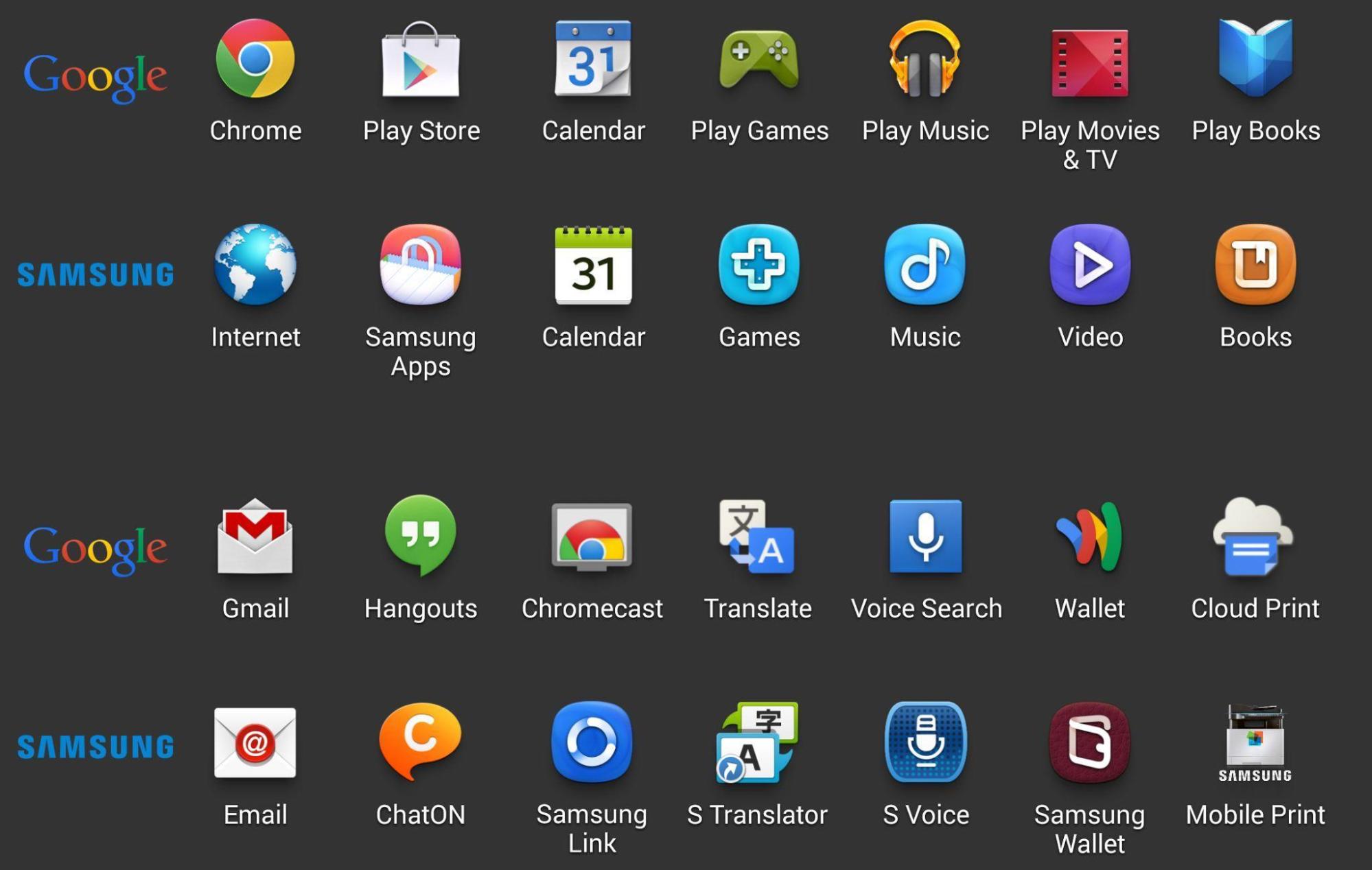
Some manufacturers tried to follow this trend of making their own
ecosystem inside Android. Samsung successfully replaced all the
GApps, improving the AOSP services with a proprietary ecosystem made
by a wide suite of apps. The South Korean brand made an attempt to
emancipate from Android, developing their own linux-based mobile
OS called Tizen, later abandoned. More manufacturers have begun to
pre-install many apps on their devices, which are also the result
of business deals with other companies, giving rise to the
bloatware phenomenon.
10
Bloatwares are unwanted pre-installed software, and they can
include tools for managing the SIM card to apps that push you to
use particular services.
10 Amadeo,
R. (2018).
Google’s iron grip on Android: Controlling open source by any
means necessary.
[link]
Samsung ecosystem made in response to Google's take on Android.
[source]
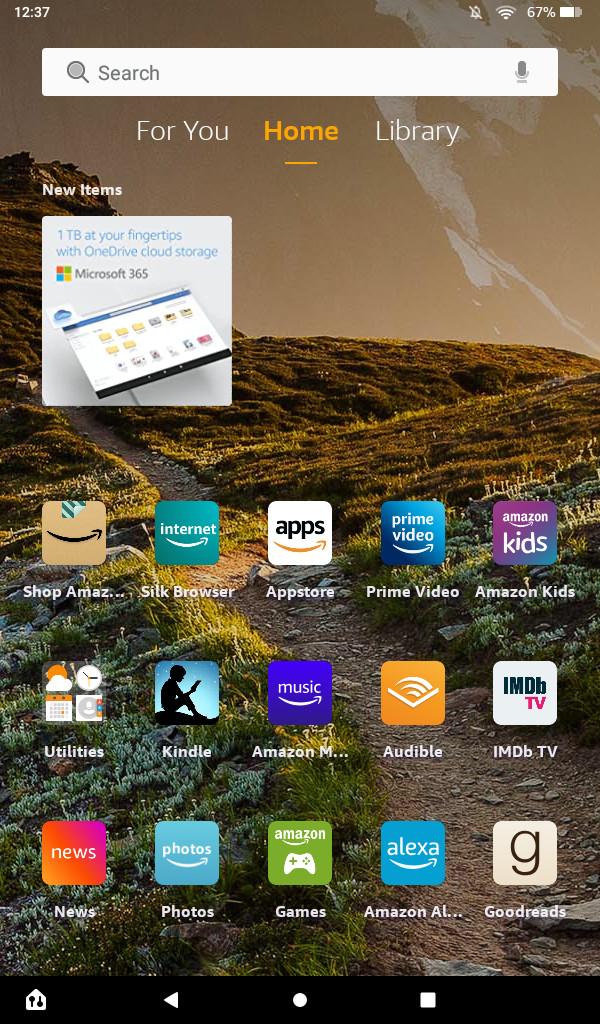
Other companies decided to take some distance from Google while
still using Android, developing some
forks. Amazon developed FireOS, an Android fork independent from all
the Google services, used mainly on Fire Tablets but also for the
Amazon Echo. They created their own launcher, app store, music
player, browser. Chinese brands such as Huawei, OPPO, Vivo and
Honor received sanctions from the U.S. government between 2019 and
2020 for their connection with the Chinese government. In response
to this, smartphones sold internationally by most of these
companies are devoid of the GMS package and the Android trademark,
as they are no longer supported by Google.
11
Independent developers have tried to develop their own
ecosystems and take advantage only of Android's open source core.
In communities connected to open source and free software ideals,
it’s common to find product and software subversion practices.
These solutions are part of what Cory Doctorow calls "Adversarial
Interoperability".
12
This phenomenon involves creating a product or service that fits
into existing products without the company's permission. It’s a
way for users to regain agency over their devices. The first one
was CyanogenMod, one of the most popular
custom ROMs
ever, which later developed its CM Apps as opposed to Google Apps.
The CyanogenMod successor, LineageOS, included a free and open
source implementation of Google libraries called microG. This
project, mainly maintained by Marvin Wißfeld, has the goal to
replicate the main APIs provided by Play Services avoiding
installing the official components and without collecting data
from the user activity. microG, together with some aftermarket app
stores like Aptoide or F-droid (which contains only free and
open-source apps) become really popular in the modding environment
for connecting official and unofficial ecosystems. The Murena
company and /e/ foundation (who is the main supporter of microG)
resell refurbished smartphones with their /e/OS on board, which
aims to prevent Google from collecting data.
13
They replaced Google Apps with services that provide a better
level of privacy and anti-tracking policy.
11 Warren,
T. (2019).
Huawei confirms the new Mate 30 Pro won’t come with Google’s
Android apps.
[link]
12 Doctorow,
C. (2019). Adversarial Interoperability.
[link]
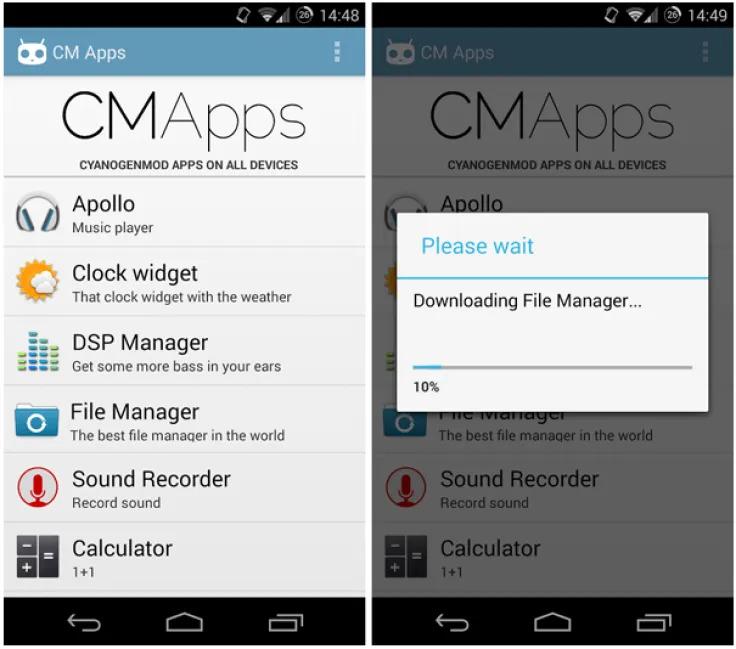
Screen of the Fire OS by Amazon (left/top). The CM App
Manager (right/bottom).
The modding movement
2
How can users/citiziens have agency over the smartphone industry?
2.1/A brief history of modding
Tracing the history of modding is in some way reconstructing the
Android evolution through the years. The practice of modding
started together with the first Android phone: The HTC Dream G1.
In September 2008, a method of obtaining administrator privileges,
also referred to as
root permission, was discovered in the Dream G1, allowing modified software to
be installed. A small group of independent developers have been
getting involved by creating unofficial builds, not released by
the companies, called
custom ROMs. The first popular custom ROM was developed in November 2008,
just two months after the distribution of the phone, and it’s
called JF ROM, from the main developer JesusFreke.
1
He stopped working on his project in 2009
2
and he recommended to his fanbase to install a new ROM from a
developer called Cyanogen. Behind Cyanogen there is Stefanie
Kondik, a Samsung software engineer who is the creator of the most
popular Android ROM ever: the CyanogenMod. The CyanogenMod was the
most influential distribution for several reasons: both in
popularity but also in the vision it carried. As we will later see
in the custom ROM section of this chapter, the key-word in those
firmwares is customization. Not only does it involve applying
aesthetic changes, as a custom skin would, but it also allows you
to tweak battery settings, the processor's
clock rate, screen brightness levels, and more in the performance and
system settings as well. The widespread popularity in the forums
accelerated the process of institutionalization of this project as
the main alternative to the stock software in the Android market.
They were the first to introduce the
OTA
(over the air) update system, typical of proprietary software, to
an independent project, simplifying the firmware update process
and making modding a more mainstream practice.
Another
famous name in the first modding era was AOKP (Android Open Kang
Project), released starting from 2011. The name is a portmanteau
of “kang”, intended as stolen code, and “AOSP”. The main features
of this ROM were also oriented to the customization as the
CyanogenMod, with a special submenu dedicated to edit different
aspects of the interface such as the status bar, the navigation
bar, the lockscreen, the home screen and much more. This phase of
the modding was focused on investigating the potential of the
software by exploring its more technical aspects. Testing the
limits of the working environment allows us to set the boundaries
between what is possible and how far we are from implementing
certain concepts in the interface.
1
JesusFreke. (2008). XDA Forum thread about JF Rom.
[link]
2
JesusFreke’s blog post about quitting the development of his
custom ROM.
[link]
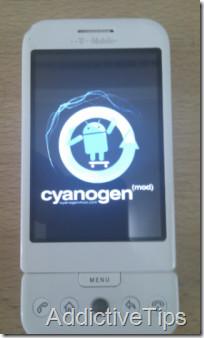
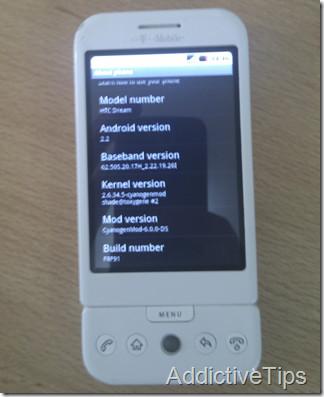
A CyanogenMod 6 running on the HTC Dream G1.
Since 2012, Android modding communities have been spreading. It is
during this year that some of the most popular ROMs such as
OmniROM, Resurrection Remix OS, SlimRoms and Paranoid Android are
developed. In September 2013, the developer Rohan Mathur, a member
of the Team Kang developer group, said in a tweet
3
that their AOKP ROM had reached 3.5 million users: modding had
become a settled trend in Android devices. Two strands of ROMs
emerge at this stage of modding: the first, on the path of early
concepts, tends to favor strong customization, including many
features from different manufacturers. The second, including
Paranoid Android or Slimroms, aims to offer the purest and
minimalistic Android experience, focusing on bringing the most
up-to-date system versions to as many devices as possible. A key
event happened in 2013: Cyanogen Inc. was founded with an initial
investment of $7 million, with the goal of commercializing the
CyanogenMod project. This opening to the market was frowned upon
by the modders communities that populate the forums. Many
developers complained seeing their efforts capitalized, even
without having received proper recognition or compensation for
their free work.
4
3 Rice, J.
(2013).
AOKP ROM Passes 3.5 Million Users, Android 4.3 Nightlies
Available Now.
[link]
4
pulser_g2. (2013). [ROM][4.3][ CM 10.2.]
Unofficial CM 10.2 for Galaxy Note II (N7100).. Xda
developers. Post #548.[link]
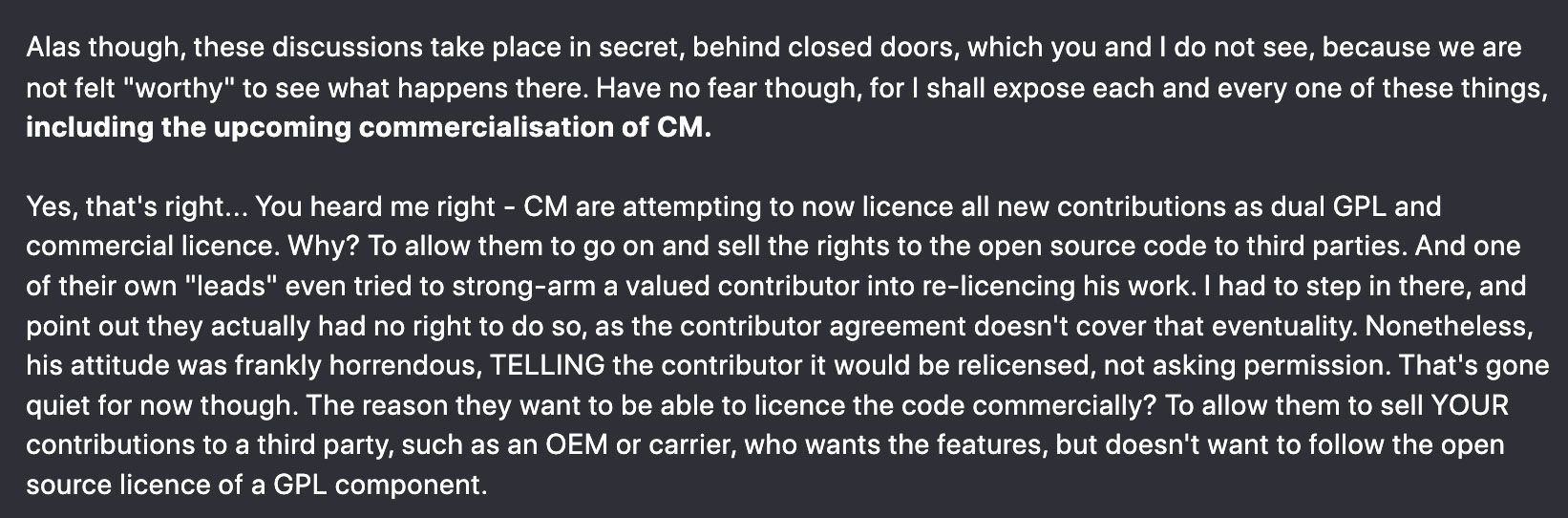
Extract from a forum thread: the user pulser_g2 complains about
the new policies of Cyanogen Inc.
4
As modding began to take hold, the established business of Android
got interested in this underground world. The big response from
the users pushed even Google in 2014 to try to acquire, without
any success, the CyanogenMod.
5
On December 31, 2016 the Cyanogen Inc team announced
6
the interruption of the support of the ROM, keeping all the source
code available for those interested. The project that has
inherited the lead role among ROMs is LineageOS. Originating from
the CyanogenMod team, it is still the most highly distributed
today so much so that many of the custom ROMs draw from its source
code. However, the Cyanogen case was not the only instance of the
mainstream market's foray into the modding undergrowth. It’s not
rare that developers from the forums community were hired by
companies to bring the experience they had in the independent
world to the established market. Hung-Lin "John" Wu (known as
topjohnwu on many forums), the creator of the famous rooting tool
Magisk, was hired by Google in May 2021.
7
He started working in the Android Platform Security team, since
his main work was finding system flaws to run its software
package.
5 Sun, L.
(2014). Why Google Tried to Buy Cyanogen for $1 Billion.
[link]
6 El
Khoury, R. (2016).
Cyanogen Inc shutting down CyanogenMod nightly builds and
other services, CM will live on as Lineage.[link]
7 Hager,
R. (2021).
Google hires an Android community rooting guru.[link]
2.2/The philosophy of modders
Many of the Android developers come from the world of Linux and
free software. Since the 1990s, these groups have had a strong
influence on the imagery and philosophy behind the outputs they
produced. A strong imprint was made by the hacker movement, which
sees information sharing as a duty. A core value is freedom of
information understood as the freedom to publish and access
information. Open knowledge movements promote both open content
practices, such as open source software, publication of open data,
and open research methodologies.
The hacker ethic promotes several principles that we can find in
Android modding. The promotion of decentralization occurs in this
movement through the adoption of distributed systems for software
development and a general rejection of bureaucracy. They build
their collective knowledge in forum threads and repositories, in
which everyone is welcome to contribute. We can claim that the
vision of software development understood as a sort of artistic
practice (as hackers believe) is also an aspect found in modding.
Many of the efforts are focused on changes that could be defined
as not purely functional, such as themes and
skins, that cover a more personal and artistic needs. The anti
discriminatory matrix of hackers, for whom age, gender, race, or
education are not elements of judgment, is often preserved by the
anonymous nature of users in forums, who use nicknames and avatars
to represent themselves. Their common vision is simply to improve
their experience as users, in line with the hacker principle that
computers are tools that should be used to improve our lives.
8
According to Steven Levy, if as many people in society would take
this pose, computers would bring an improvement to our world.
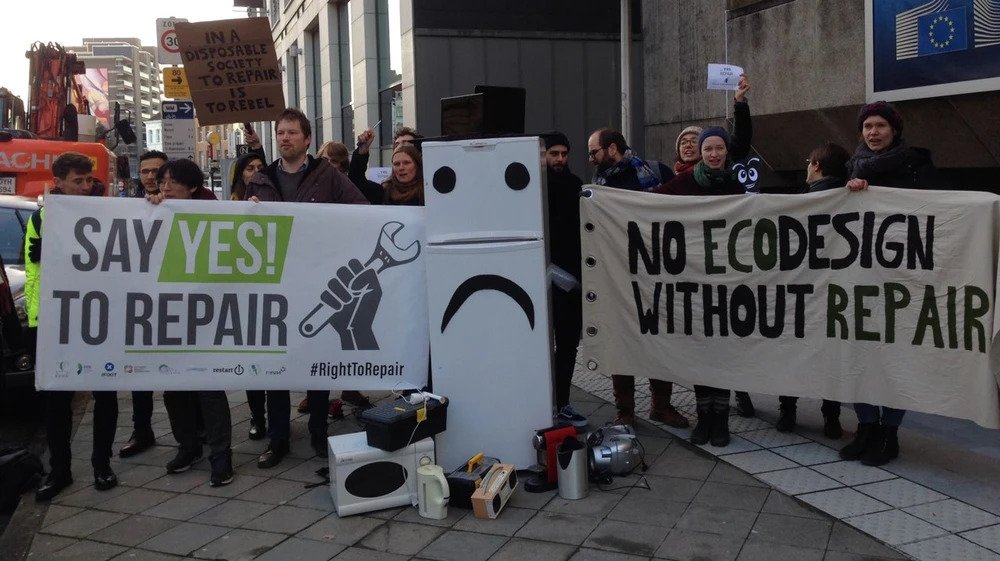
Other similarities can be seen in the Right to Repair movements.
They see technology as a box to be opened, analyzed and
reassembled.
8 Levy, S.
(1984). Hackers. New York: Dell Publishing. P. 37.
A common battle being fought on by the two movements is over
allowing devices to be unlocked, with the goal of being able to
install custom software and adapt it to one's needs.
9
This is seen as a consumer right. For these activists, it’s
important to give users/consumers the tools to understand their
devices, through manuals and guides. The dissemination of
information and manuals plays a key role in Android modding: the
majority of writings in forums consists of tutorials and
installation guides. In this context, developers also acquire
activist characteristics as they advocate for a more free, open
and decentralized technology. This demonstrates the political
aspect of modding. Their practice goes beyond software development
but is an expression of an idea of technology that they intend to
apply to society. When tech-enthusiasts enter into those
communities they start to act as citizens. The users seek to
counter balance market trends imposed by manufacturers by creating
their own patch and structures:
mods. This hacking practice counteracts planned obsolescence and
reverses the production relationship from top-down to bottom- up.
If we consider computational luxury, as well as any luxury, a
symbol of belonging to an elevated social class, then modding is a
political practice. Modding tries to break down social differences
by redistributing software resources equally to different product
ranges. Mods, skins, themes and custom ROMs are the user's
response to computational luxury. Modders are transforming the
debate around a private market into something public. In doing so
they bring to light some questions. How can users/citizens have
agency over the smartphone industry? Are tech companies part of
the public sphere? If so, what are the users’ rights?
9
Klosowski, T. (2021).
What You Should Know About Right to Repair. New York
Times.[link]
A protest organized by Schraube Locker!? and European
Environmental Bureau outside of the Albert Borschette Conference
Centre in Etterbeek, Belgium (2018).
There is something they inherit from these movements but they make
it more personal, which is the attitude. It can be described with
the term "explorative playfulness". Explorative in the way that
they make use of experiments, sometimes even incomplete or fully
functioning, to investigate the interface. This characteristic
leads them to create mods and ROMs to understand their
surroundings. The practice of modding is thus an exploration
through which they test the software boundaries on which they
operate. Playful since the motivating drive to produce software is
primarily passion and curiosity about firmware. There is no
substantial financial return except in the form of donations or
special cases of partnerships. Play also comes from the free
choice to work on very specific aspects, making them identitary:
changing an icon, a color to an element or adding a feature
becomes a source of pride for some users. There is usually a
sincere enthusiasm to share the progress with the rest of the
community. For example, we have seen that early custom ROMs such
as JF ROM or CyanogenMod owe their names to the nicknames of their
creators. It’s a way to gain credibility in a network where
peer-to-peer reputation is one of the few returns on his or her
own contribution. This collective activity also leads modders to
impart conceptual value, sometimes even unconsciously, to a
primarily technical action. Hence, the driving force behind this
practice is the desire to experiment with a set of tools combined
with a playful enthusiasm. The hacker in the common imagination is
a saboteur who tries to steal data and destroy infrastructure, but
it’s not like that. The figure just described is what is called a
“cracker” while the hacker is defined as "an expert or enthusiast
of any kind".
10
So if we consider the enthusiasm and expertise of the modders
encapsulated in the “explorative playfulness” approach, the
modding community perfectly embodies the hacker's culture.
10 Pekka, H.
(2001).
The Hacker Ethic and the Spirit of the Information Age.
New York: Random House. P. viii.
2.3/What can you do?
The practice of modding includes several procedures that allow you
to have more control over your device. As we will see, some of
these are hindered by manufacturers and involve limitations in the
use and maintenance of the smartphone. Since all
OEMs
develop their products differently from the others, it's not
possible to draw a standard procedure for modding each device.
It's true, however, that the basic principles remain the same, and
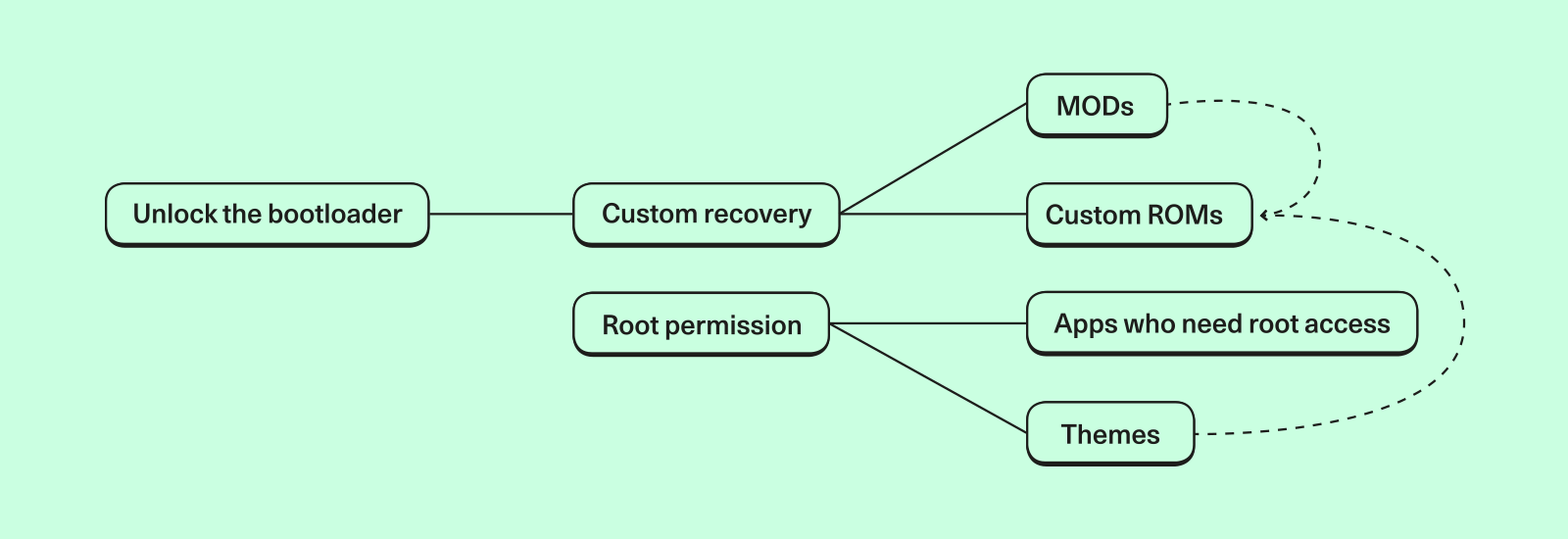
here we will try to trace them. They can be summarized as:
– obtaining administrator privileges (root access); –
installing apps or frameworks that require root; – unlocking
the bootloader; – installing a custom recovery; –
flashing mods; – flashing custom ROMs.
Possibilities of modding and the user journey.
One of the first procedures you can perform is to obtain root
permissions. As regular users we only have access to part of the
files on our phone. To access and/or modify system files, we need
special permissions. Obtaining root permissions therefore means
that we can more deeply modify components of the device.
Applications that allow deep backups, change firmware functions
and design may require these permissions to function properly. At
times some applications that require certain security standards
may not work once root access is obtained, as well as system
updates may be blocked. To begin the deeper modding process, a
required step is to unlock the bootloader. The bootloader is a
software that runs every time you turn on your device. Usually it
can start the Android OS, boot into recovery or other modes. The
bootloader also verifies the integrity of the boot and recovery
partitions before executing the
kernel. Having an unlocked bootloader allows you to install unofficial
firmwares and recoveries. Unlocking the bootloader can be
accomplished by using certain tools that are different for each
brand. For some manufacturers, once the bootloader is unlocked,
the device's warranty is voided, but it’s not always like this. In
some cases it’s the manufacturers themselves who make the
procedure available on their websites, like it happens for HTC and
Sony or, rarely, the device is already unlocked at the moment of
purchase.
Diagram of the procedure to unlock the bootloader on an Android
device (the path may be different for other devices).
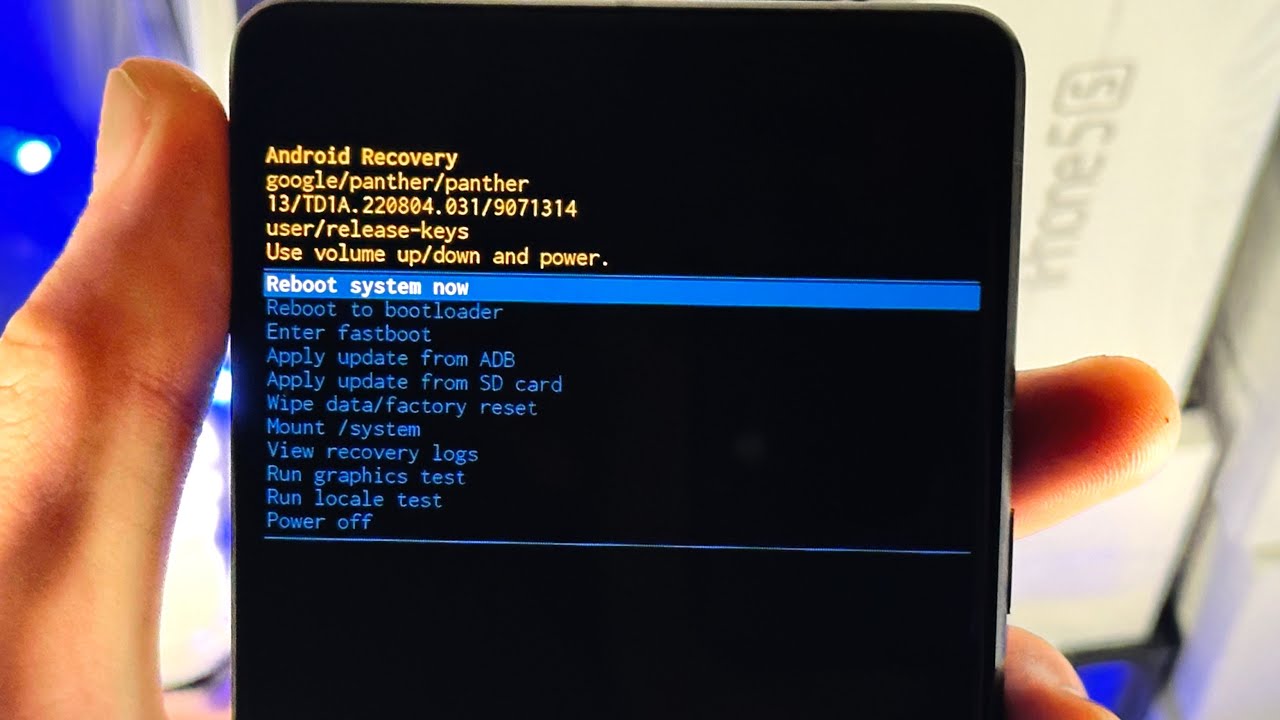
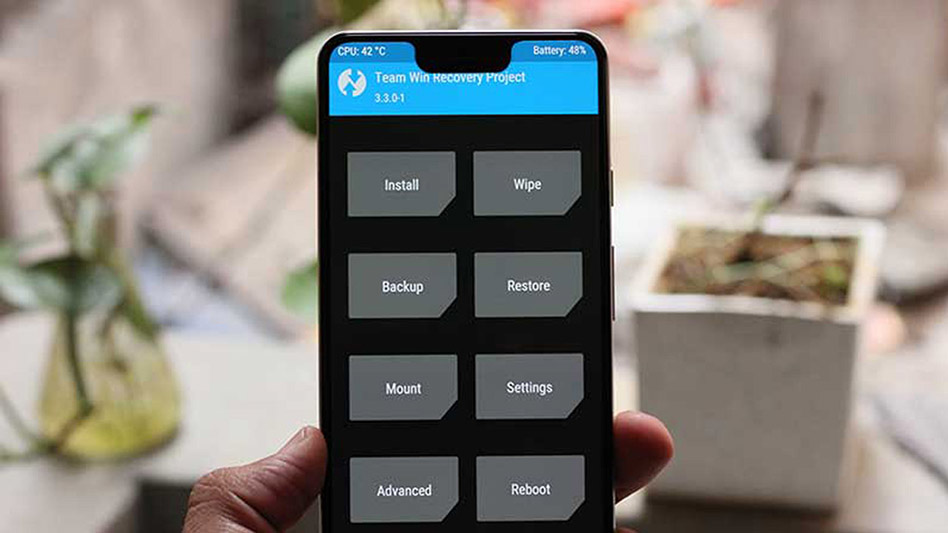
Next, our device is ready to replace the system recovery with a
third-party one. A recovery it's a bootable partition on your
smartphone that can restore your phone to the conditions of
purchase, wipe some partitions and install new updates. To access
the recovery you need to press a combination of keys while the
device is turning on. After-market Android recovery solutions
provide the ability to create a backup of an Android device and
data on external storage, and the most important aspect, install
unofficial software like mods or custom ROMs.
An option offered by a stock recovery from Google Pixel 7
(left/top) and a custom TWRP recovery (right/bottom).
Now that we have all the requirements, we can search the sections
of the forums dedicated to our phone model and look for mods to
install. Typically mods come as a .zip package to be flashed via
recovery, but procedures may vary. Each discussion in which a mod
is posted is usually accompanied by an installation guide. It's
not easy to give an idea of the potential of mods, as it's
possible to change practically every aspect of the device. I will
therefore take the Samsung Galaxy SII as an example, since it's a
model that has received much attention from the modders'
community, to illustrate some examples of mods.
TITLE/ [MOD] Remove "Your phone will shut down"
prompt
AUTHOR/ gcrutchr YEAR/
2011
This mod simply removes the text "Your phone will shut down"
when the phone is turning off.
[source]
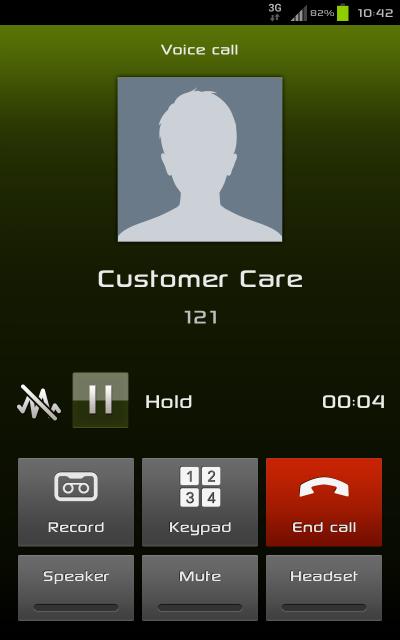
TITLE/ (mod) call recording-s2 i9100-ics
AUTHOR/
poolakkal Suresh YEAR/ 2012
It adds a record button on the phone app, allowing you to save
on the internal memory .amr files. This feature is integrated on
the main phone app, so it works without installing a third-party
dialer app.
[source]
TITLE/ [Mod][ICS] Camera.apk with better audio
quality/video bitrate/use at any battery
AUTHOR/
zxz0O0 YEAR/ 2012
When this mod is installed it’s possible to use the camera and
the flash at any battery life. It removes the camera sounds and
increases the audio and video bitrate in order to have better
quality.
[source]
TITLE/ [MOD] NFC Enabler [JB] [ICS] [KK]
AUTHOR/
jthatch12 YEAR/ 2012
This is a patch to fix NFC problems that occur installing
different custom ROMs. There are several files of this mod for
different Android versions.
[source]
TITLE/ [MOD][GUIDE]Partition your internal
memory for better App management (Pit Files)
AUTHOR/
metalgearhathaway YEAR/ 2013
You can allocate more internal space of the memory dedicated to
install apps, changing the partition of the device. In this way
you can move less apps to the external SD memory.
[source]
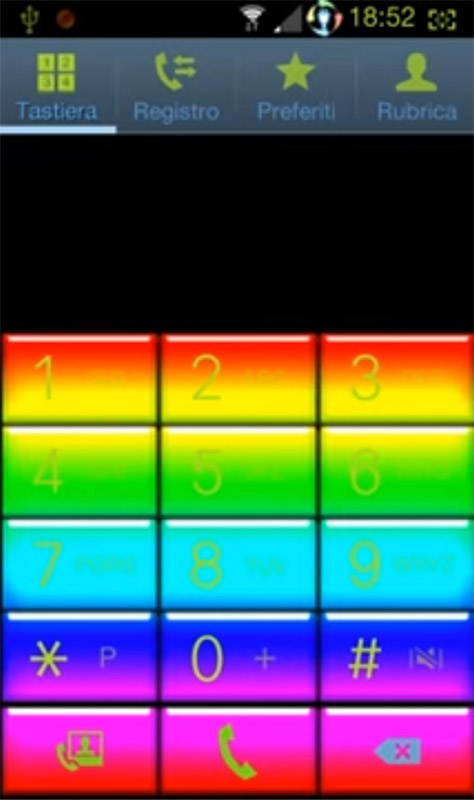
TITLE/ [MOD][Guide]How to change Dialer
background in real time
AUTHOR/
remuntada78 YEAR/ 2014
With this mod it’s possible to customize the background color
of the phone dialer app without rebooting the device.
[source]
This package removes a series of preinstalled apps on many
custom ROMs and changes others like the launcher, the browser,
the keyboard. It also substitutes the system font to fix issues
with emoji.
[source]
Every time you receive a notification, the menu and back
buttons blink as notification LEDs.
[source]
The variety of mods reflects users' intentions: for some, modding
is a solution to fix problems that the manufacturer does not care
about. For others a way to enhance their device with new features,
and in this sense it fully represents Cory Doctorow's adversarial
interoperability. For some, modding is more of a playful thing: a
series of experiments, even on graphical minutiae, arising from
the enthusiasm of the infinite possibilities. In addition, in the
forums you can also find alternative
kernels
that you can install again using the same procedure as a mod. But
it’s not only by flashing mods that you can change your device.
Since 2013 some toolkits have become popular among tech-enthusiast
like Xposed Framework and Magisk. These are platforms that allow
you to install third-party mods to customize your phone without
using the recovery. Both systems need root permissions to work.
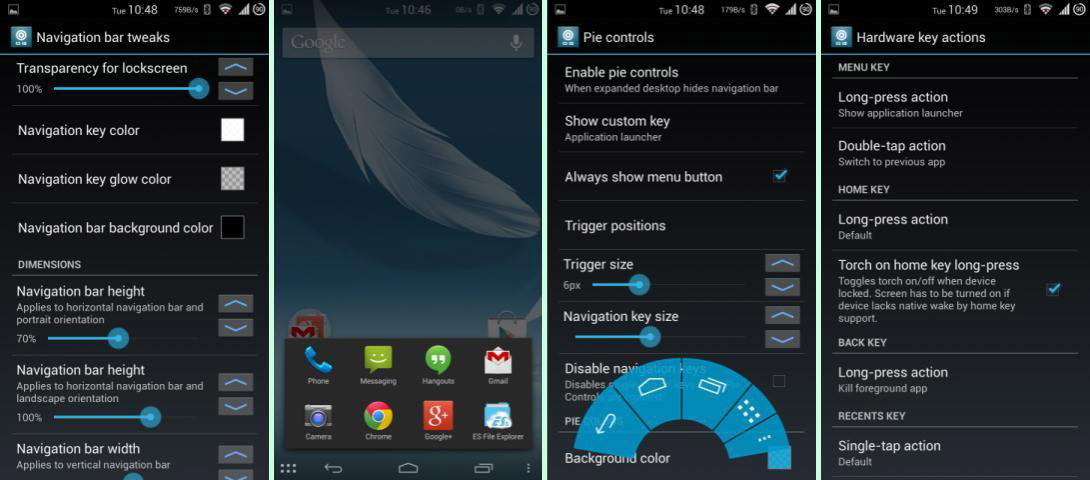
One of the most famous mod for Xposed Framework is GravityBox,
which allows for customization of the status bar, navigation bar,
lockscreen, notification system, and more. GravityBox was also
defined as a ROM-killer module, since it brings most of the visual
customization available through custom firmware with a simple app.
Magisk is a suite of tools created by developer John Wu that
includes not only a module manager but also an app for managing
root permissions. Just as with Xposed, Magisk modules range from changing system
fonts, customizing gestures and commands, or calibrating CPU
power. Over time, mods that bring features or aesthetic
improvements have been incorporated into toolkits such as those
just described or integrated within custom ROMs.
Unique controls (2017): a Xposed Framework module that brings
some features of the Paranoid Android ROM on any devices.
Some of the options available with GravityBox, the most popular
Xposed Framework (2015).
Now let's take a look at the main core of the Android Modding: the
custom ROMs. There are a wide variety of ROMs out there, here we
are going to analyze some of the most popular ones, trying to
understand how they differ and what main innovations they have
brought to the Android interface. At a conceptual level, we can
recognize different categories of ROM, which have different
goals:
– those that try to be more full featured, including as many
customizations as possible (such as AOKP or ResurrectionRemix);
– those that aim to maintain an environment more similar to
pure Android, focusing on few features that distinguish them (such
as Paranoid Android and SlimRom); – the hybrid ones, which
try to find a balance between the two trends (such as CyanogenMod,
OmniROM or LineageOS).
This variety reflects the needs of different users. Some users
want to modify and get their hands on every color, icon, gesture,
function, making the system sometimes even less performant but
more personal. They perceive their device as an object to be
analyzed and disassembled, and the ROM becomes their toolbox.
Other users simply seek an efficient and up-to-date system,
perhaps even with features that the manufacturer of their model
has not implemented, but more performance-oriented.
Comparing
the most popular early ROMs, CyanogenMod and AOKP, we can see
their totally different vision. CyanogenMod initially emerged as
the main custom ROMs, focusing on diffusion: in 2016 it was
compatible with more than 570 devices.
11
AOKP, however, available still on major smartphone models, made
customization its strong point. It was the first to include a
specific option in the settings dedicated to custom changes,
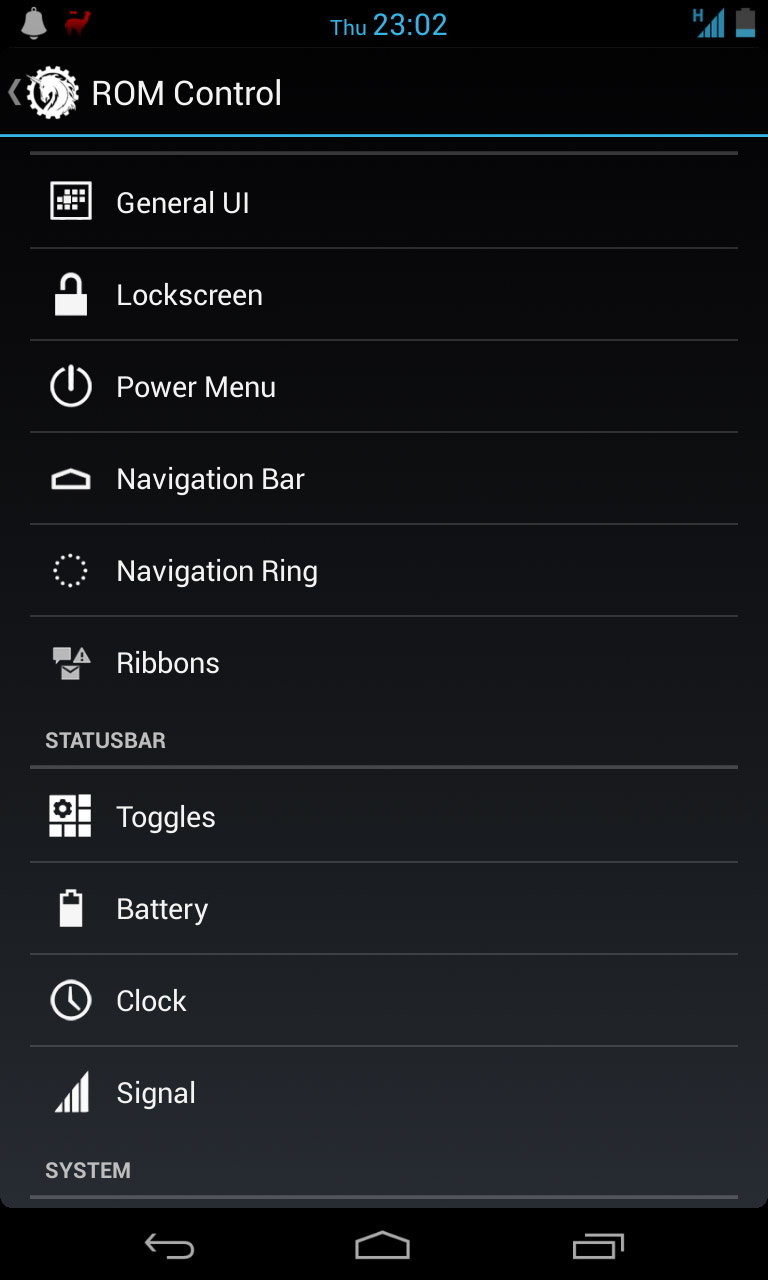
called ROM Control. From here it's possible to change not only the
appearance of the status bar, navigation bar, notification panel,
and lockscreen (as is also the case with CyanogenMod) but much
more: from the type of vibration, to the boot animation, through
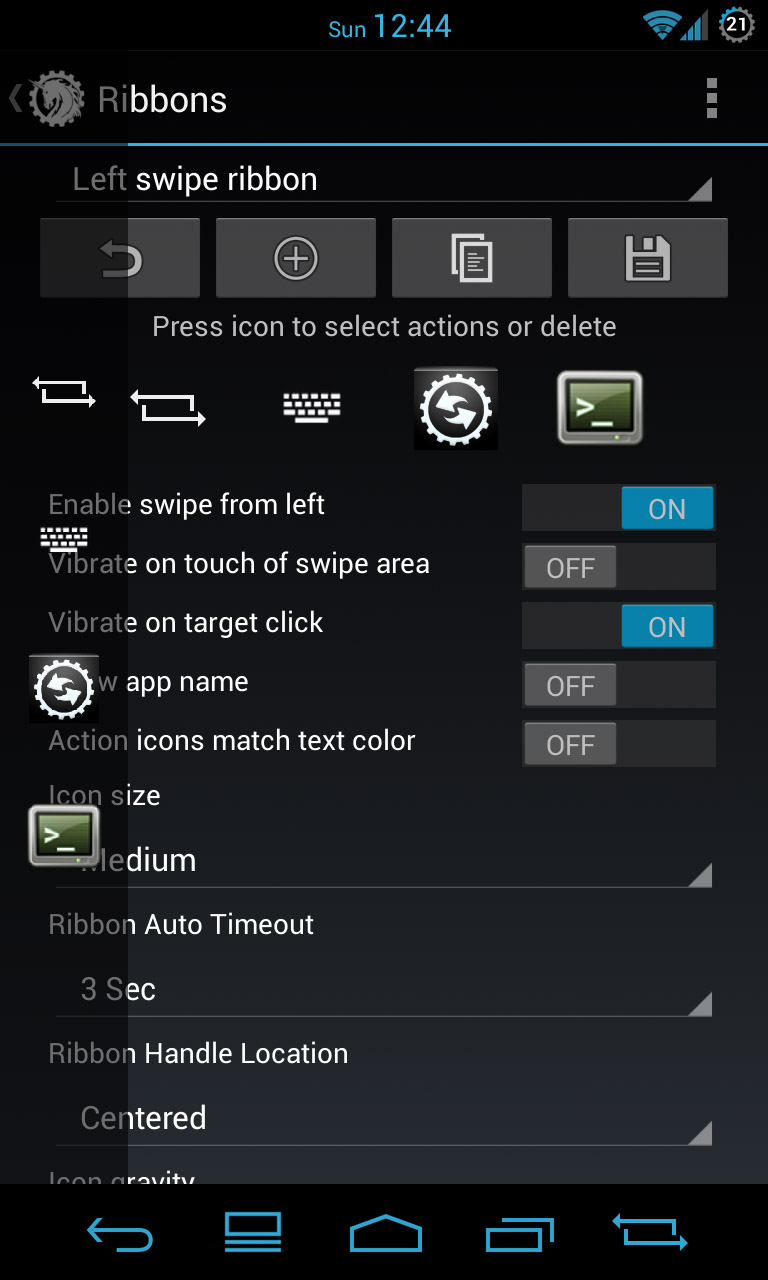
the use of a tablet mode. Some noteworthy features are ribbons,
which are swipe-activated menus in which to enter shortcuts to
apps or functions. In addition, the AOKP team was the first to
include in 2013 the ability to adopt dark mode and a section to
manage individual app permissions (features that Google did not
include in stock Android until 2019).
11
CyanogenMod. Devices. Archived from the original on 19
August 2016.
[link]
AOKP ribbons settings (top/left) and Rom Control (bottom/right),
2013
The main virtue of CyanogenMod is stability: the huge community
behind it has ensured a good level of performance, making sure to
bring a fully functioning firmware, which is rare for custom
releases. Over the years it has introduced and later removed
multiple features, incorporating the peculiarities of other
related projects. It certainly brought innovations to the modding
scene, such as the
OTA updates
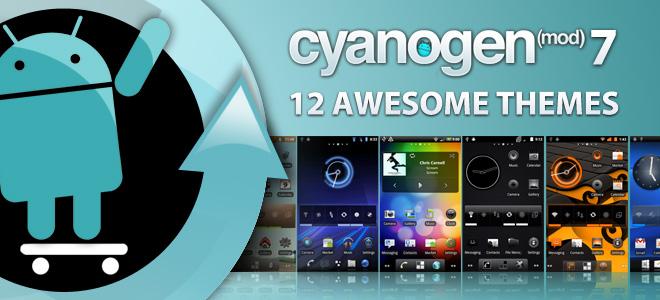
and the introduction of a theme manager. It was the first custom
firmware that allowed users to open a proprietary account to
access and synchronize their services, a sign of the maturity of
the project.
Advertising image for the Theme Manager of the CyanogenMod 7
(2011).
Another ROM worth mentioning is Paranoid Android: an example of
very slim firmware similar to stock Android. This project
originated under the name AOSPA, which recalls the pure and open
source nature of Android. Although over the years it has never
fallen for the allure of massive customization of coeval firmware,
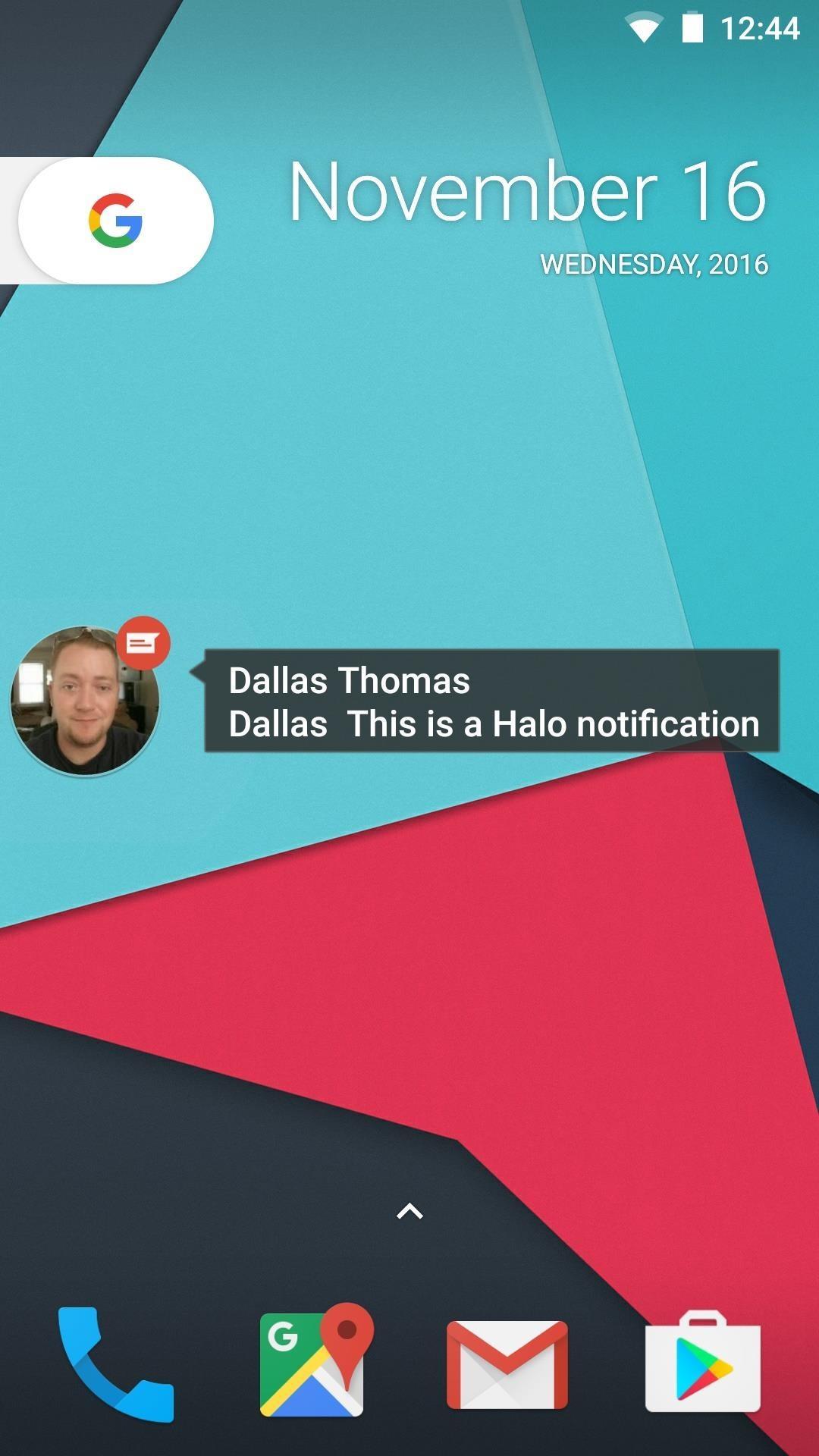
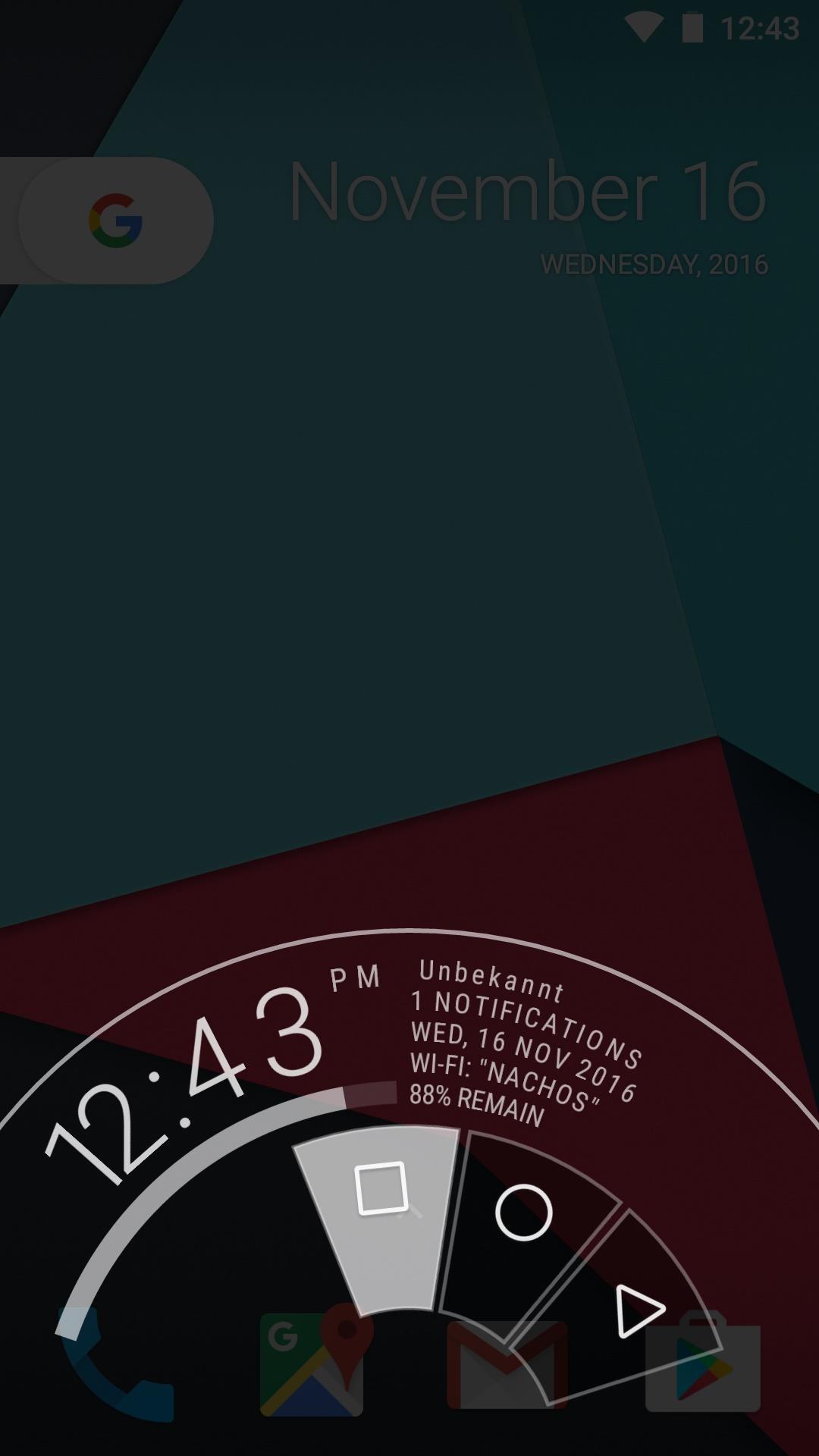
it's known for introducing some innovations. Most obvious of all
is the pie control, which is a radial dial of shortcuts accessible
with a swipe, replacing the navigation bar. Connected to this is
the immersive mode, which hides the navigation and status bars on
the short sides of the display to take full advantage of it. With
the pie control the Paranoid Android team sensed a trend that was
soon to explode: maximum optimization of screen area. First with
virtual buttons and gestures
12
to save lower space and then with the notch for the upper one, the
market followed this process of simplification with physical and
digital design solutions.
12
Introduced by Google in Android 9, five years later than
Paranoid Android.
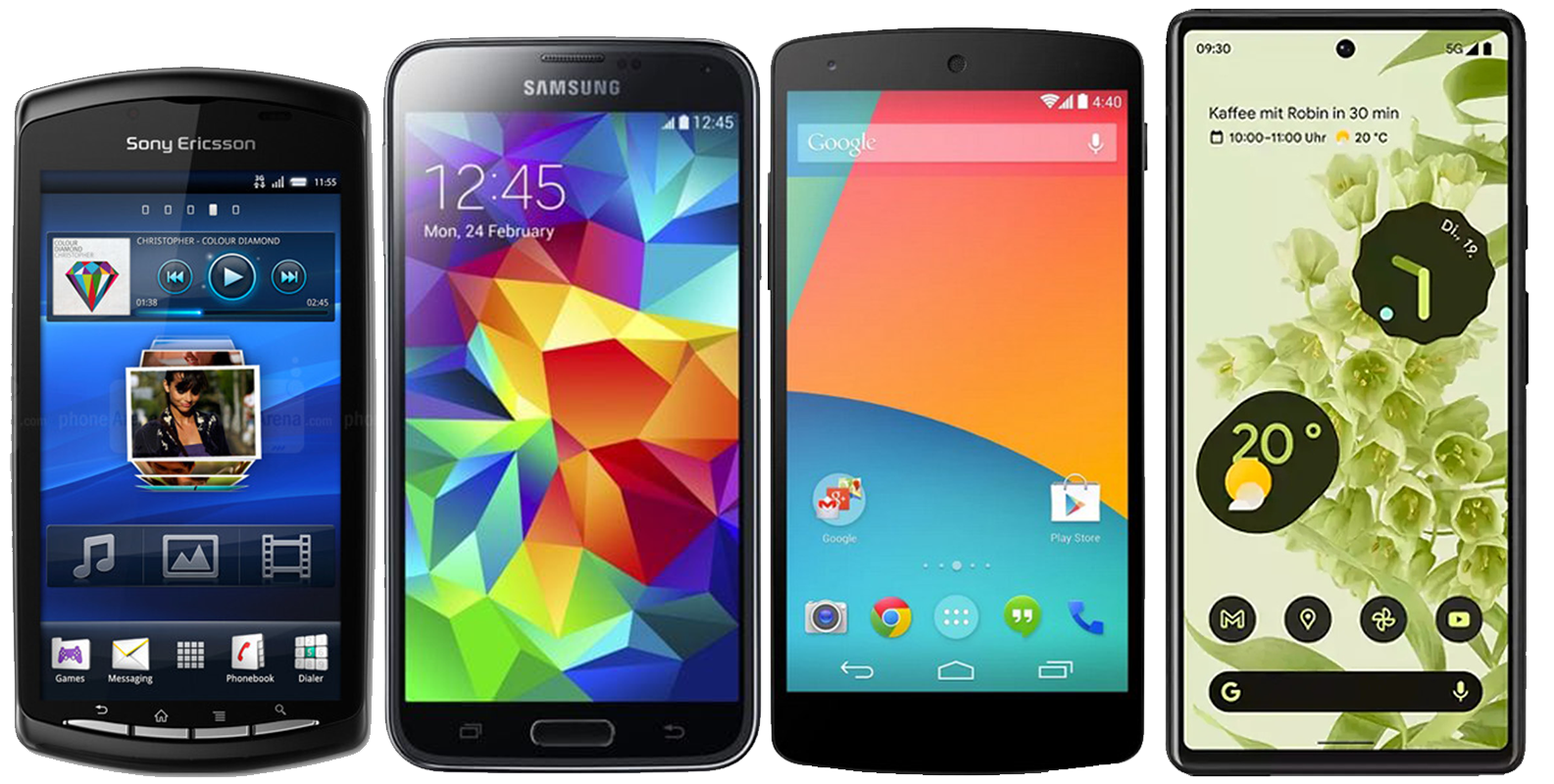
Evolution of the screen size and buttons layout in a decade
(2011-2021).
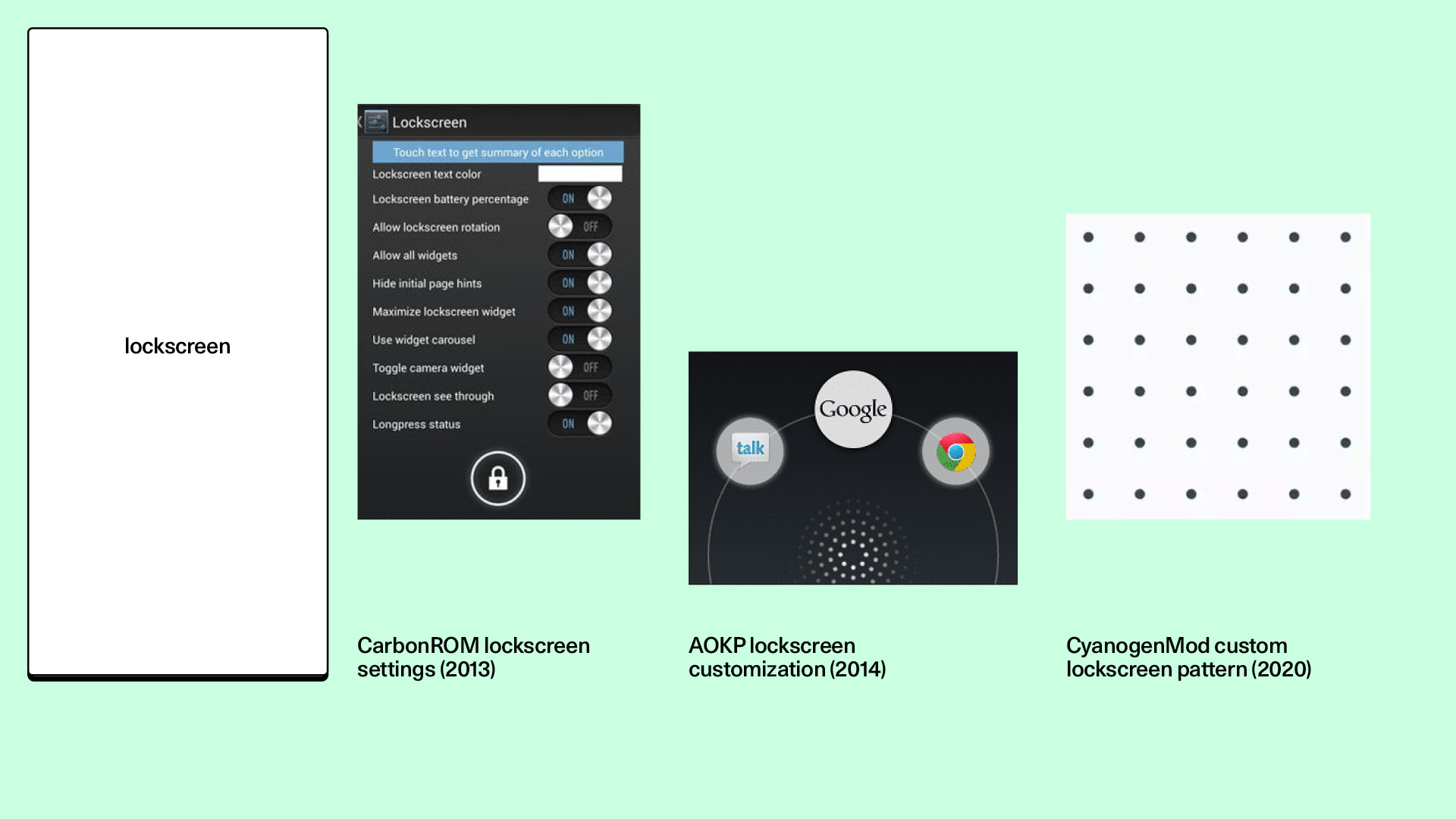
Here are some diagrams representing the most modified interface
elements.
Click on the image to change the interface element. [1/6]
The history of ROMs, unlike mods and other expressions of modding,
entails a broader story of Android hacking. Since they are more
structured projects we can grasp the ideals of developers and
users. We can understand why certain firmware has had more
traction than others and what really moves thousands of developers
to produce free software for the benefit of the community. The
explorative playfulness plus a political push kept Android a free
environment, in a decade in which big players and manufacturers
tried to close it for profit. Modding is still working as a
resistance practice.
A design of a CyanogenMod T-shirt, sold in their online store.
2.4/Spreading the knowledge
A key aspect for any community are the spaces of gathering: a
community is such when it establishes its own spaces, rituals and
keeps track of their cultural production. These spaces are home to
the collective knowledge constructed by members and they tell
something about the methodologies they adopt. Since modding
includes an international community, the spaces are therefore
online platforms. To address the different ways in which this
community produces knowledge, we will divide the discussion into
two sets of tools: the ones used for internal communication and
those for reaching an external audience. For the first category
these spaces are mainly repositories and specialized forums. Those
tools are structured in a decentralized way. Repositories are web
platforms, which tend to be distributed systems, where developers
keep track of software, with a shared versioning system. Many of
the developers use GitHub as a working environment for ROMs and
mods, similar to other projects with an open source nature. The
user jbro129, starting in 2021, has collected the most popular
repositories regarding Android modding within one page
13 , ranging from mod and themes, to toolkits and tutorials. It’s
not uncommon, for more structured projects, to have their own
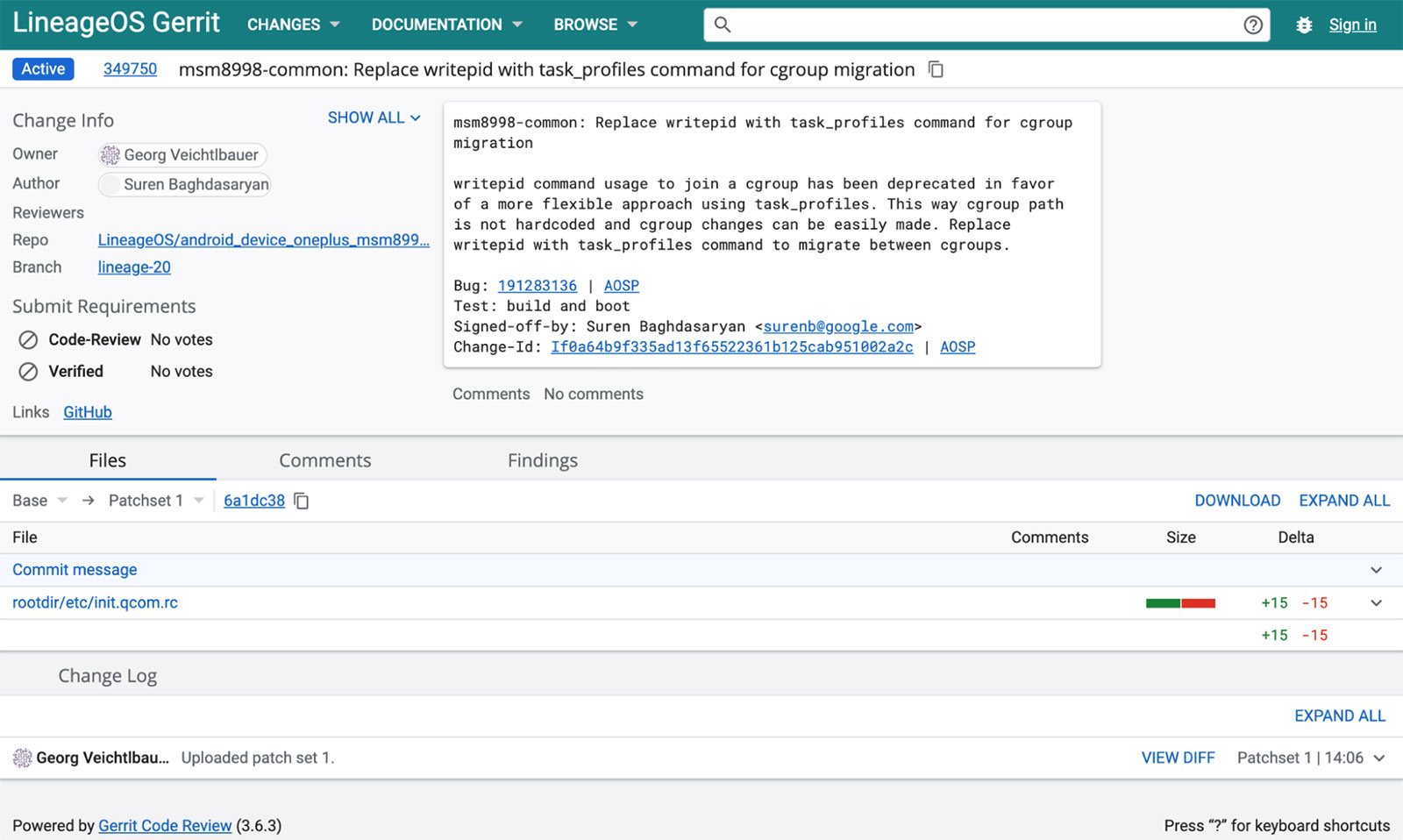
platform to host the development. The LineageOS team has built a
framework based on Gerrit, a web-based team code collaboration
tool.
13 jbro129.
(2022).
android-modding, A collection of github repositories related
to android modding. GitHub.
[link]
Specialist forums provide both a channel for software publication
and a space for peer-to-peer dialogue. It’s here that slang,
trends, schools of thought and new projects are born. The most
famous forum for Android modding is XDA developers. Founded in
2003 as a hub for Windows Mobile enthusiasts
14 , it soon welcomed the Android community, becoming a hotspot for
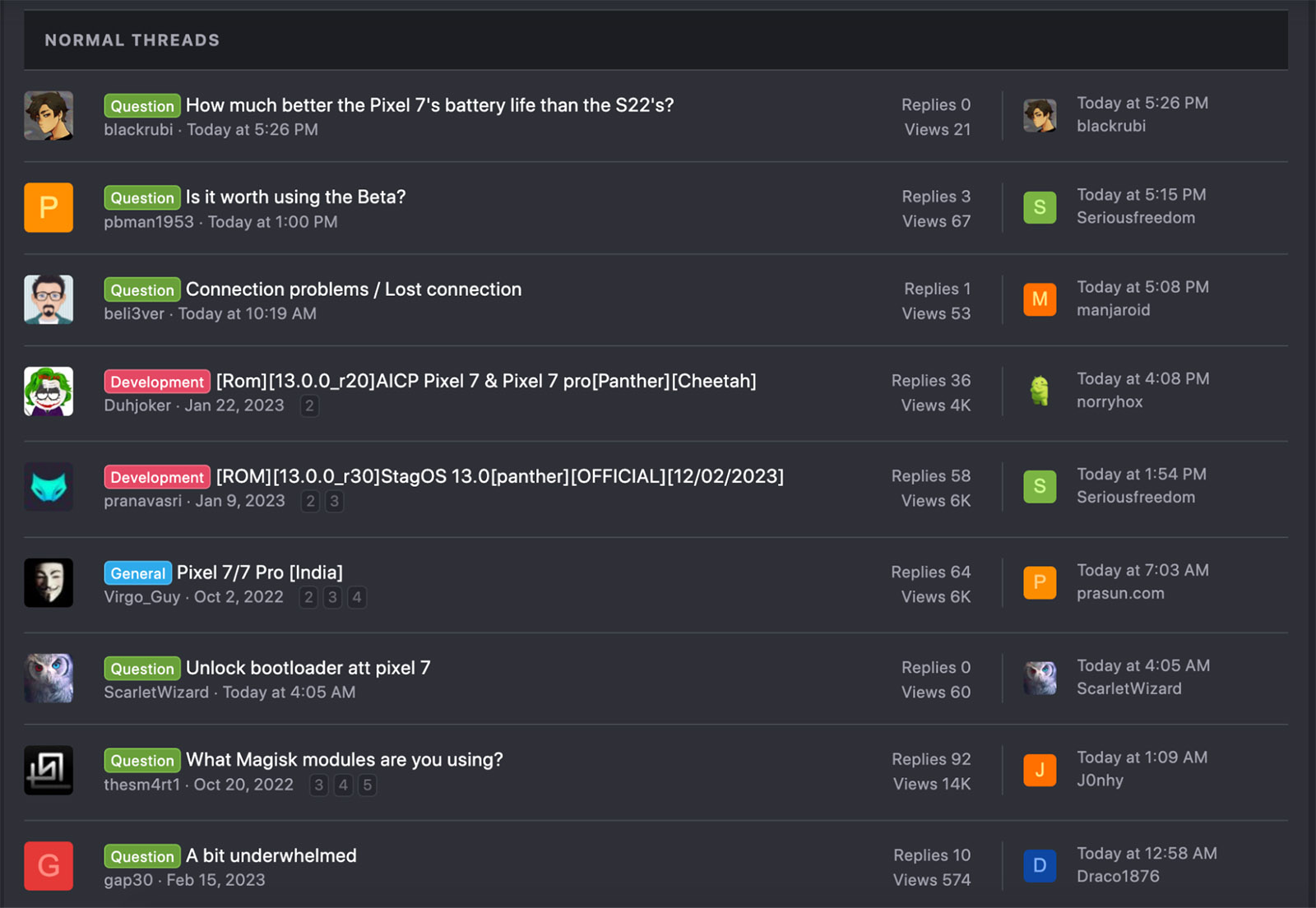
enthusiasts in the early 2010s. This forum has a section for
almost every smartphone on the market: for each section users
create threads filtered by different categories like apps and
themes, Android development, or more general chat section.
List of threads in the Google Pixel 7 section. XDA Forum (taken
the 23rd of February 2023).
To share their knowledge with an external audience, modders use
mainly two tools: the forum threads and YouTube videos. Forums,
given also the more extensive structure, remain the main choice
for posting projects and providing technical support. If forums
are familiar environments for open source development communities,
YouTube videos are something unheard of in these pioneering years.
YouTube had a boost in popularity around 2011-2012, together with
modding communities, so it became an important space for
dissemination. The forum threads are mostly animated by
experienced users, or at least those who have a basic knowledge of
the topic: this presents a stumbling block for a novice user who
is immediately confronted with complicated technical language.
Video tutorials may be easier to understand, either because of the
ability to follow on-screen steps, or because the content is
sometimes re-edited to be more digestible. YouTube tutorials are
the bridge between technical knowledge of developers and the needs
or curiosities of a more general audience.
On YouTube
there are three different types of tutorials. The most common is a
visual step-by-step demonstration, featuring a person who shows
how to achieve a result guiding the audience through all the
steps. The second category is the walk-through, in which a person
performs a replica of a process to demonstrate it in front of an
audience. For modders, the breakdown of processes consists of
video guides on how to install pieces of software. Then the third
kind is more similar to a lecture format and consists of a talk
about a subject, helped by visual materials. The tutorial is a
medium that embodies the features of informal learning.
15
One characteristic is the interactive feedback mechanism, meaning
that part of the knowledge also resides in the exchange that is
made in the comments section of each video. This can be also seen
as an example of another of the qualities of video tutorials: they
use a mix of different learning techniques to communicate content.
In music we talk about "pedagogical syncretism" when learning from
different sources, similarly with modding tutorials. They mix
textual, verbal, and visual explanations. Footage, screen
recordings as well as diagrams contribute to the explanation.
15 Lange,
P.G. (2018) Informal Learning on YouTube. United States:
California College of the Arts
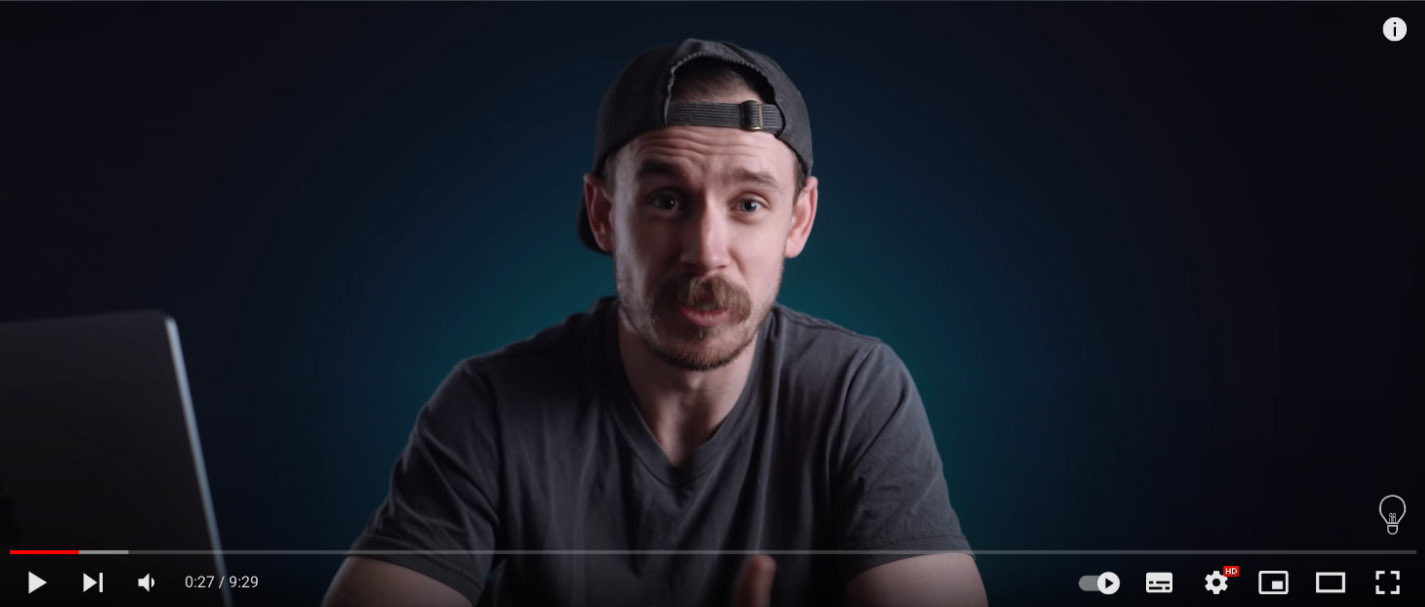
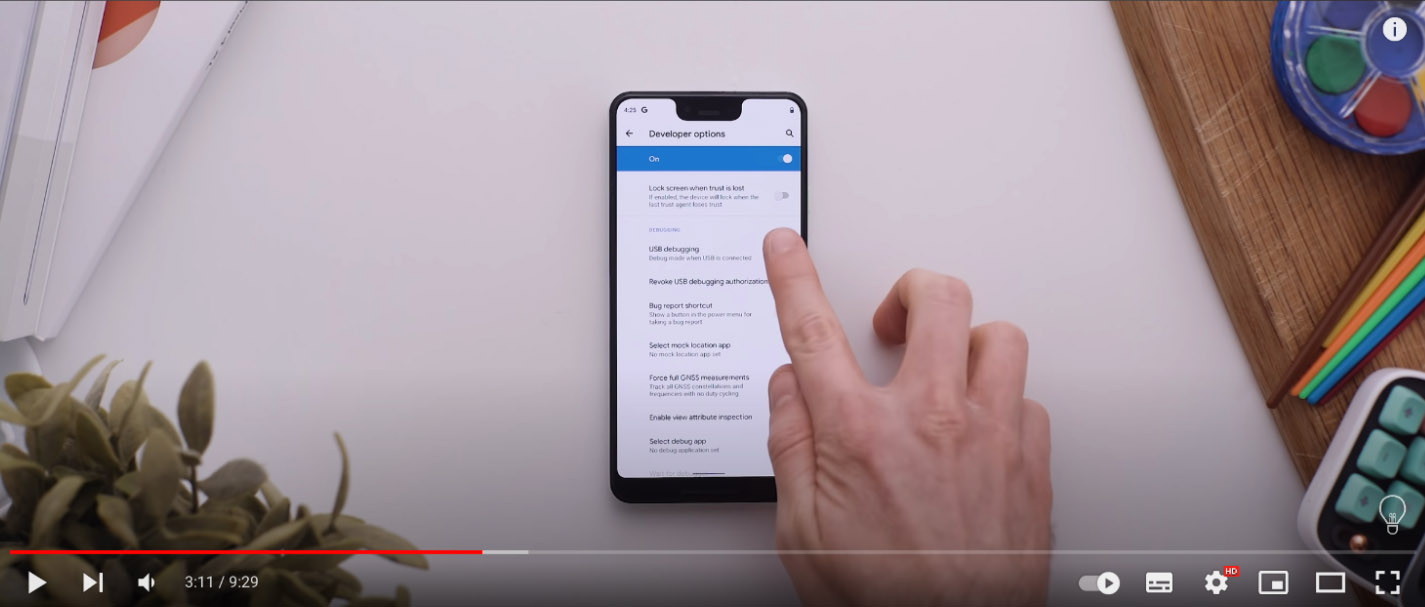
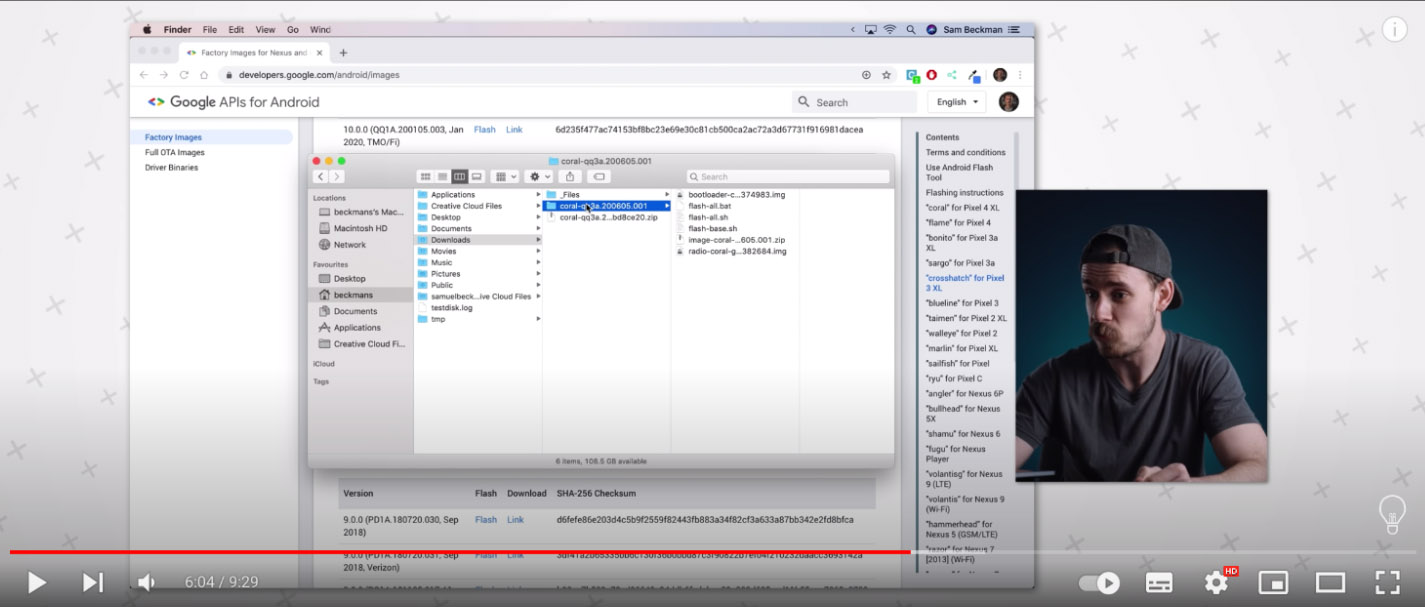
Three snapshots taken from the same video, "How To Root (Almost)
Any Phone in 2020!" by Sam Beckman. Between the same video there
are different explanation settings.
Ultimately, a phenomenon that needs to be taken into account is
incidental learning. As Lange (2018), an associate professor of
critical studies at California College of the Arts, states:
As a subset of informal learning—incidental learning—may prompt
learners to reevaluate tacit assumptions, recognize mistakes,
and reconsider their interpretations of others’ actions.
Ideally, for incidental learning to take root, it must
eventually move from being tacit to a state of recognized
awareness, through processes of self-reflection.
16
Then, during the process of watching a video tutorial, we not only
learn the content, but also tend to critically absorb how it is
conveyed. This in the modding community becomes very productive:
users are often creators and users at the same time. Thinking
about how to effectively explain a procedure helps peer
communication. All these peculiarities have made YouTube an
outreach platform that has contributed to the fortunes of modding.
16 Lange.
(2018). p.7
Then outside the community
3
How can we build a common knowledge as a community?
3.1/Market and modding in the new decade
Since 2020 the development of the hardware is slowing down since
we reached a saturation of some features like the display density
or the amount of RAM. The politics of computational luxury can no
longer be perpetrated by manufacturers. Concerning the software,
modding is not as popular as before because most of the brands try
to keep their system closed blocking self customization practices.
OEMs
are trying to regain control over the market by making decisions
in the software sector. For example in 2021 Samsung made the
camera inefficient in the Galaxy Z Fold3 for the users who
unlocked the bootloader.
1
On the other hand there are still a lot of Android users who use
custom ROMs and mods. The Samsung Galaxy S III and Note II are
still updated after ten years after being introduced.
2
Modding survives still today for several reasons: one of them is
to keep the software in older models updated, with the goal of
counteracting the short life of the devices. Moreover, there are
several fork experiments that aim to improve OS security and
privacy, such as CalyxOS, CopperheadOS, and GrapheneOS (all three
born in 2022). Many users install modules or custom ROMs to
customize their devices and adapt them to their own needs more
than manufacturers do for them. In this sense, the practice of
explorative playfulness still lives on forcefully. The market
based on computational luxury has generated a great lack on the
software side. The increase in computing power has made it less
necessary to optimize apps. The hardware race competed by
different manufacturers has left much room for modding to provide
software support. Android's biggest problem remains fragmentation
and scarce software optimization. The Play Store is full of apps
that are similar to each other and poorly developed. The ability
to install third-party apps from the store, which was one of the
key aspects of smartphones, faded into the background in this
first smartphone era. Consumers today rely on one brand over
another for the suite of apps and features that manufacturers
offer. In this sense, we are almost back to the pre-smartphone
era. The large assortment of possibilities that these systems
preached has been reduced to the fifty most popular third-party
apps.
1 Wright
A. (2021).
Samsung cripples the Galaxy Z Fold3 if you unlock the
bootloader.
[link]
2 Ronca V.
(2022).
The immortals Galaxy S III and Note II update to Android 13
via custom ROM [Italian] .
[link]
3.2/Lecture + workshop
With the design project, I intend to analyze the modding movement
from both theoretical and practical perspectives. This website
hosts the research content and a collection of workshop results.
The intent is to create a platform that can be updated over time.
In addition to the research, published as an essay, the website
contains videos that unpack theoretical/philosophical aspects of
modding. The videos are vlogs/video essays that, with a referral
to YouTube's tutorial culture, hybridize an informative section to
a more reflective one. The videos are an entry point, a bridge
between the modding theoretical framework contained in the
research and a physical activity. The language is characterized by
a mix of techniques ranging from direct shooting, device screen
recording, and the use of diagrams which are commented on by the
host. They are introductory lectures to the workshop. The object
of investigation of the workshop is the interface, which is the
medium that contains all the contradictions between the closed,
market-driven software and the open, experimental, and independent
one. The workshop takes into account a collective brainstorming
phase to focus on users' ideals and needs. The purpose of this
first phase is to create a sharing space in which to introduce
theoretical reflection into a purely technical domain. With an
approach of explorative playfulness, not unlike the modders, we
will try to translate participants' concepts into features to be
implemented in the interface. At the same time, it is a discussion
about the practice of modding as a collective activity. Starting
with technical problem solving, it creates new imagery, though
interfaces, that makes users more aware of their tools.
Resources
4
In which tone do we want to talk?
4.1/Glossary ADBAndroid Debug Bridge is a command-line tool that enables you
to connect a device with a computer. The ADB command
facilitates a variety of device actions, such as installing
and debugging apps, and it provides access to a Unix shell
that you can use to run a variety of commands on a
device. Bootleg appmodified version of apps made by independent developers to
add or edit some features. Bootleg software is sold or
distributed without the required permission from the trademark
or copyright holder/owner. Bootloaderit’s a piece of software that runs every time you turn on
your device and it is responsible for bringing up the kernel.
It can start the Android operating system or boot into
recovery. The bootloader also verifies the integrity of the
boot and recovery partitions before moving execution to the
kernel. Having an unlocked bootloader allows you to install
firmwares and recoveries from third-party developers. Brick“to brick” is a tech slang term that means rendering a
working device inoperable, as it is useful as a brick. First
used in the context of modding mobile phones. When a device is
soft bricked it is possible to restore the system and make it
working again. If a phone is hard bricked there is almost no
way to make it work again. A phone could be bricked if there
are some errors during the modding procedures. Buildthe term build is usually used to refer to the process of
transforming source code into an executable artifact.
Sometimes the same term is used to refer to the artifact
obtained through that transformation process. Clock ratethe clock rate or clock speed refers to the frequency at
which a processor can generate pulses, and is used to indicate
the processor's speed. Usually on Android phones is expressed
in frequency hertz (Hz). Custom ROMmodified android firmware that replaces the stock ROM to
change features or skins of a phone. Custom ROMs can be
developed by manufacturer and officially distributed or they
can have origin from communities of independent
developers. Fastbootengineering protocol similar to the recovery but without any
interface. When a device is turned into fastboot mode it’s
possible to connect it to a computer and send ADB
commands. Flashingin tech slang flashing a smartphone means installing a mod, a
custom ROM, or whatever piece of software in a manual way.
Usually it can be done through specific computer programs or
when the device is in recovery/fastboot mode. Forka fork or a branch, in the field of software engineering and
computer science, means the development of a new software
project from the source code of an existing one by a
programmer. Freemiumis a marketing strategy of offering a basic version of a
proprietary product (mostly proprietary software) for free and
possibly offering additional features for a fee. GAppsshort version of Google Apps, they include all the main
services of the brand. Kernelthe kernel is a software that provides a secure and
controlled access to the hardware. Can be seen as a bridge
between software and hardware components. Moda mod is a piece of software that can be installed on a
device in order to add, remove or modify features or design
aspects of a main software. Moddingit is a slang expression derived from the English verb "to
modify". The term refers to modification of hardware,
software, or anything else, to perform a function not
originally intended by the designer, or to achieve bespoke
specification or appearance. OEM
it stands for Original Equipment Manufacturer, and it refers
to a company that makes a product under its own brand name.
Also called parent company means that it is the manufacturer
that makes the original product, using components sourced from
direct suppliers. OTAOTA stands for over-the-air and it refers to various methods
of distributing new software or configuration settings. One
important feature of OTA is that one central location can send
an update to all the users, who are unable to refuse or alter
that update. Recoveryit is a dedicated and bootable partition on your smartphone
that can install new updates to your device. By using a
combination of keys, recovery mode is displayed on the Android
device. After-market Android recovery solutions provide the
ability to create a backup of an Android device and data on
external storage. Root permissionrooting is the process of allowing users of the Android
mobile operating system to attain privileged control (known as
root access) over various Android subsystems. The root
permission may be asked by apps to change system files,
implement or modify pieces of software. SkinAndroid skins are software tweaks that live on top of stock
Android. They often look very different and offer features
that other skins don’t.
4.2/Bibliography: books and papersAneesh, A. (2012)
Informationalism. The Wiley-Blackwell Encyclopedia of
Globalization. Blackwell Publishing Ltd.Bogers, L. & Chiappini, L. (Editors) (2019).
The Critical Makers Reader: (Un)learning Technology.
Amsterdam: Institute of Network Cultures.Castells, M. (2004)
The network society: a cross-cultural perspective.
Northampton, MA: Edward Elgar.Garfinkel, S., Weise, D., Strassmann, S. (1994)
The UNIX-HATERS Handbook. United States: IDG.Habermas, J. (1985)
The Theory of Communicative Action, Volume 2: Lifeworld and
System: A Critique of Functionalist Reason. Beacon Press.Lange, P.G. (2018)
Informal Learning on YouTube. United States: California
College of the Arts.Levy, S. (1984). Hackers. New York: Dell
Publishing.Manovich, L. (2013) Software Takes Command. Bloomsbury
Academic.Pekka, H. (2001)
The Hacker Ethic and the Spirit of the Information Age.
New York: Random House.Raymond, E.S. (1999) The Cathedral and the Bazaar.
O'Reilly Media.Sennett, R. (1970) The Uses of Disorder. Verso
Publishing.Von Busch, O. (2014)
Hacktivism as Design Research Method. In The Routledge
Companion to Design Research (pp.226-235). Routledge.
4.2/Bibliography: articles, videos, forum threadsAmadeo, R. (2013).
Balky carriers and slow OEMs step aside: Google is
defragging Android. Arstechnica.
[link]Amadeo, R. (2018).
Google’s iron grip on Android: Controlling open source by
any means necessary. Arstechnica.
[link]Bhargav97. (2014).
[GUIDE] OmniROM special features and unusual stuff. XDA
Developers
(forum).
[link]bluefa1con. (2013).
[AOSPA 4.2.1] ParanoidAndroid 3.0. XDA Developers
(forum).
[link]Chamberlain, E. (2022).
What Is Right to Repair? iFixit.
[link]Dixon, T. (2021)
Pixel 6 Pro Teardown: Google Actually Did Something
Right!
iFixit.
[link]Doctorow, C. (2019). Adversarial Interoperability.
Electronic Frontier Foundation.
[link]Doctorow, C. (2022)
Repair Wars: Cory Doctorow on the State of Right to
Repair. Make Zine.
[link]El Khoury, R. (2016).
Cyanogen Inc shutting down CyanogenMod nightly builds and
other services, CM will live on as Lineage [Updated]. Android Police.
[link]Hager, R. (2021).
Google hires an Android community rooting guru. Android
Police.
[link]Hildenbrand, J. (2021).
What are Google Mobile Services (GMS) and why does my phone
need them?. Android Central.
[link]Hughes, T. (2014).
Google and Android Are Not the Same... and That’s a Good
Thing. App Developer Magazine.
[link]jbro129. (2022).
android-modding. A collection of github repositories
related to android modding. Github
[link]Kastrenakes, J., Patel, N. (2018).
Google will start charging Android device makers a fee for
using its apps in Europe. The Verge.
[link]Klosowski, T. (2021).
What You Should Know About Right to Repair. New York
Times.
[link]pulser_g2. (2013).
[ROM][4.3][ CM 10.2.] Unofficial CM 10.2 for Galaxy Note II
(N7100). XDA Developers (forum).
[link]Raone. (2020).
Android Modding Explained! (Rooting, Custom Rom,
Bootloader...). YouTube.
[link]Raphael, JR. (2010).
Android IS open -- but 'open' means different things.
Computer World.
[link]Ray, B. (2013).
All cool kids' phones run ALTERNATIVE alternative custom
Android ROM. The Register.
[link]Rice, J. (2013).
AOKP ROM Passes 3.5 Million Users, Android 4.3 Nightlies
Available Now. Android Police.
[link]rINanDO. (2021).
[ROM][UNOFFICIAL][12.1.0][r7][I9100] LineageOS 19.1
[ALPHA]. XDA Developers (forum).
[link]Russakovskii, A. (2011).
13 Ways CyanogenMod 7 Makes My Android Phone Feel
Future-Proof [Deep Review]. Android Police.
[link]Sahani, A. (2019).
Why people are going crazy for custom roms. Medium.
[link]Stallman, R. (2011). Is Android really free software?.
The Guardian
[link]Wang, J. (2019).
This company will sell refurbished Android phones with all
of Google's services removed. Android Police.
[link]Warren, T. (2019).
Huawei confirms the new Mate 30 Pro won’t come with
Google’s Android apps. The Verge
[link]Wright, A. (2021).
Samsung cripples the Galaxy Z Fold3 if you unlock the
bootloader. Android Police.
[link]
This publication resulted from research conducted as part
of the individual thesis project in the master department
Information Design at Design Academy Eindhoven, The
Netherlands
April 2023
Tutors
Simon Davies
Anna Engelhardt
Marco Ferrari
Dimitri Jeannottat
Silvio Lorusso
Gert Staal
Irene Stracuzzi